Man with van in Dollis Hill

Our man with van service in Dollis Hill is set up for straightforward local moves, single-item transport and practical collection work across North West London. It suits customers who want a vehicle, loading help and sensible planning without the scale of a full removal crew. We keep the focus on careful handling, clear timing and the kind of flexible support that works well for flats, houses, storage runs and business deliveries.
The service covers moving furniture, boxed household items, appliances and other belongings that need secure transport. It can also help with pick-ups from shops, storage units, landlords, auction rooms or private sellers. If you need a man and van in Dollis Hill for a planned move or a one-off delivery, the aim is to make the job feel organised and manageable from the first enquiry through to unloading.
Many customers are looking for a balance between economy and practicality. A van is useful when the load is more than a car can safely carry, but not enough to justify a larger removal operation. Careful loading, the right vehicle size and a sensible route matter as much as the miles travelled, especially when items include awkward shapes, fragile pieces or anything that should stay upright in transit.
Household transport and local moving support
Household transport is often the core of the work. That can include a few bulky items, part-load moves, or a whole flat where access is simple and the inventory is modest. We can help shift beds, chests, tables, chairs, wardrobes, white goods and boxed contents while keeping the handling practical for everyday domestic moves. The emphasis is on moving items cleanly and safely, not on overstating what is needed.
When a home move is small or mid-sized, the useful question is usually not whether there are many possessions, but how they are arranged and how they can be loaded without damage. We work with the layout of the property, the weight of each item and the order in which things should come out. That approach helps avoid rushed lifting and keeps the load stable while travelling through Dollis Hill or further afield.
Common move types
Typical household jobs may include flat moves, room clear-outs, student transport, storage transfers and small property transitions where a full removals package is unnecessary. A van-based move is often a good fit when the customer wants direct collection and delivery rather than multiple handling stages. It is also suitable for items that need to be kept together, such as bed frames, shelving, packaged household goods or mixed contents from one address.
Furniture collection, delivery and careful loading

Furniture movement needs a different sort of attention from boxed goods. Tables, sofas, mattresses, cabinets and similar items can look simple, yet they often need rotation, protection and measured lifting to avoid scuffs and stress on joints. We treat loading as part of the service itself, not as an afterthought, because the way a piece is placed in the van affects how it arrives at the destination.
If a customer has bought something second-hand or arranged a direct delivery, the van service can cover collection from a seller, storage facility or retail point and take the item to the chosen address. For larger or awkward furniture, it helps to think about access points, stair widths and whether items need dismantling before travel. A brief list of what is being moved is usually enough to plan the job sensibly, and any unusually heavy or delicate item should be mentioned early.
We can also help with disposal-related transport where pieces are being moved away from a property for onward use, storage or responsible recycling. The work stays focused on the item itself: safe lifting, secure placement in the van and careful handling at both ends. If you want to compare a simple furniture pick-up with a fuller house move, the difference is often in volume and access rather than in the care required.
Office moves and business collections
Our van service also suits small business relocations, office collections and transport of equipment that needs a compact, practical move. That may include desks, office chairs, boxed files, shelving, display items or small technology setups. For businesses, the main concern is usually continuity: moving items efficiently, keeping related parts together and reducing unnecessary handling between collection and delivery.
Office work often benefits from a clear order of operations. Sensitive equipment should not be squeezed beneath heavier pieces, and paperwork or small components are easier to manage when packed in labelled containers. If a business is shifting between premises, picking up stock, or moving surplus items to storage, a van-based approach gives flexibility without committing to a larger logistical operation than the job requires.
Where access is tight, such as a shared building, a mezzanine office or a unit with loading restrictions, the plan should reflect the site rather than forcing a one-size-fits-all method. We can handle direct transfers, multi-stop business collections and transport of items that need to stay together. For straightforward commercial support, the aim is to keep the move neat, practical and easy to coordinate.
Packing, protection and transit planning

Packing and protection matter because a van move is only as secure as the items inside it. Soft furnishings may need wrapping, fragile objects may need padding, and mixed loads benefit from separation so that sharp edges or heavy corners do not press into lighter goods. Good preparation helps protect the load and also speeds up unloading, because the order of items can reflect the order in which they will be needed.
For many jobs, the best preparation is simple and practical. Box smaller items together, keep loose parts with the furniture they belong to, and avoid overfilling cartons to the point where they collapse. If a piece must travel in a specific position, say so clearly. A short note about stairs, lifts, parking, or time-sensitive access can also save avoidable delays and make the move smoother for everyone involved.
Quotations are usually easier to prepare when the scope is realistic and specific. The main factors are the size of the load, whether a single trip is likely to be enough, how much handling is needed, and whether there are access challenges at either end. If you are planning a move, gather the item list first and then ask for a quotation based on the actual work rather than a rough guess.
Pricing factors and what shapes the job
Van transport is priced around work content, not just distance. A short journey with a difficult staircase or multiple large items may take more effort than a longer drive with a simple, well-prepared load. Factors such as the number of items, the presence of fragile pieces, loading time, parking access and whether a second stop is needed can all influence the plan. That is why clear information is useful before the move is booked.
It also helps to distinguish between transport only and transport with loading assistance. Some customers only need a driver and vehicle for collection and delivery, while others need support carrying items to and from the property. In many cases, the job sits between those two points. We can adapt the approach to the load, but the quotation should still reflect the actual level of handling involved so there are no surprises later.
For larger household or commercial loads, the decision may come down to whether the move should be split into stages or completed in one trip. Multi-stop work can be efficient if the items are already grouped sensibly, but it needs careful sequencing. If you are not sure how the job should be planned, you can request a quotation and describe the main items in plain terms. For a quicker start, list the heaviest pieces first.
How our van service is organised

Good organisation keeps the service practical. Jobs are easier to handle when the collection point, delivery point and any in-between stops are clear from the outset. A simple summary of what needs moving, the floors involved and whether there are parking or access limits usually gives enough information to shape the work. That allows the van, loading approach and schedule to be matched to the task.
If the move includes items that are awkward or delicate, it helps to identify them early so they can be loaded in a sensible position. Items such as mirrors, glass tops, lamps, framed pieces and electronics benefit from being separated from heavier goods. Likewise, wardrobes, beds and flat-pack furniture may need disassembly or reassembly planning if the dimensions make direct transport impractical. The best results come from matching the method to the object.
A few practical points make the job easier for many customers:
- have the main item list ready before asking for a quotation;
- mention stairs, lifts, basement access or narrow entrances;
- say whether items need wrapping, dismantling or extra handling;
- allow for parking space at both collection and delivery;
- keep keys, building access details and delivery contact information close at hand.
About Dollis Hill
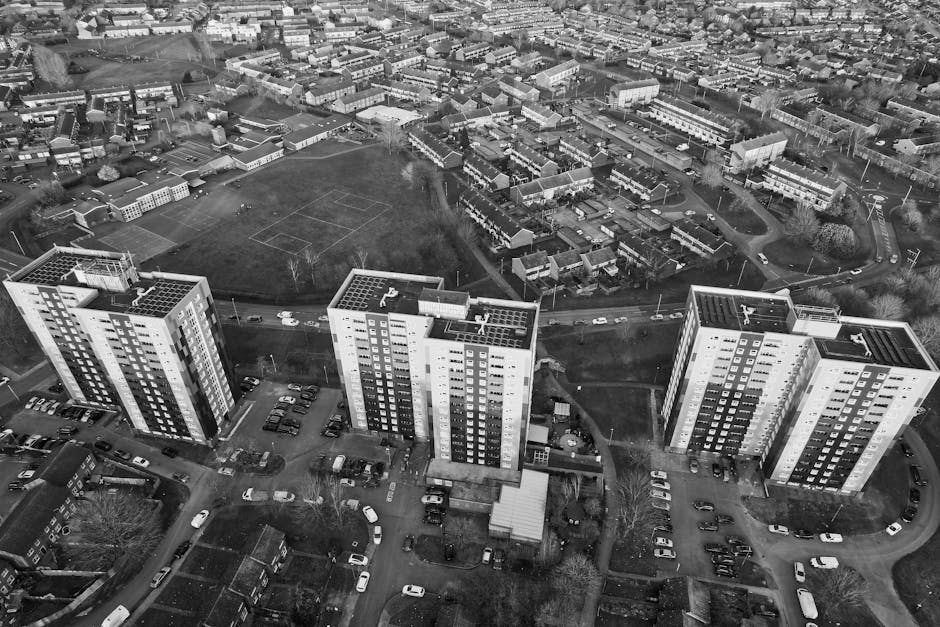
Dollis Hill is a residential area in the London Borough of Brent, in north-west London, known for its mix of suburban streets, post-war housing and significant open space. One of its best-known landmarks is Gladstone Park, a large public park with long views across the capital from higher ground, formal gardens and sports facilities. The name Dollis Hill is also associated with the surrounding ridge and with Dollis Hill House, a former country house that once stood in the area before later redevelopment. The district sits close to Willesden Green, Neasden and Cricklewood, and its character is shaped by rail and road connections that link it into the wider city while preserving a local neighbourhood feel. The area’s built environment reflects several layers of London growth. Victorian and Edwardian terraces appear alongside later housing estates and apartment blocks, showing how the district changed as transport improved and the city expanded north-westward. Nearby routes such as the North Circular influence movement through the area, while the presence of green space provides a visual contrast to the denser streets around it. Cultural life in and around Dollis Hill is connected to Brent’s broader diversity, with everyday shopping, community facilities and local places of worship contributing to the neighbourhood’s day-to-day rhythm. The landscape is not flat, and the rise toward the park gives parts of the district a distinct topographical identity within London. The name itself remains tied to both the residential area and the parkland, making it one of the more recognisable local references in the borough.
When moving goods in the area, the mix of houses, flats and broader transport links makes clear planning useful. If you need a pricing and quotes page to discuss the scale of the job, or want to compare a simple van move with a fuller service, it is sensible to look at the load first and then decide how much support is needed.
Further removal options
Some customers only need a quick transport solution, while others benefit from a broader removals service that covers more of the practical work. A fuller move may include lifting from multiple rooms, carrying larger furniture, and coordinating several items in a single trip. When the contents are more substantial, a service such as removal services can be a better fit than a basic van hire approach, because it places the emphasis on moving the load as a complete job rather than as isolated pieces.
There are also cases where the most suitable option is a more targeted removal type. For example, customers shifting household contents may prefer house removals, while those needing a smaller or more flexible transport arrangement may look at man and van. Commercial customers with desks, files or stock may instead need commercial moves. These pages represent different ways to organise the same core activity: secure transport with the level of assistance that fits the load.
If the move involves a larger property, more furniture or a tighter schedule, it may be worth reviewing the options and then requesting a quotation. The key is to match the service to the job rather than force every move into the same format. For a tailored arrangement, contact us when you are ready to outline the items and timings.
Planning a straightforward quote

A clear quotation starts with clear information. The useful details are usually the start point, the delivery point, the main items, the number of floors, any bulky pieces and whether loading help is needed. If there are time constraints, parking issues or multiple stops, include those as well. That helps the job be assessed in a practical way and reduces the need for back-and-forth later on.
For many customers, the simplest next step is to write down the main objects that need moving and decide whether the job is a single-item collection, a partial load or a wider house or office move. If you are uncertain which category fits, describe the task in ordinary language. A short, accurate summary is usually enough for a sensible response. Keep the description honest and specific, especially where access or heavy lifting could affect the work.
When you are ready to arrange the next step, request a quotation and describe what needs moving in and around Dollis Hill. You can also use the enquiry route to ask whether your load is better suited to a simple van transfer or a broader removals option. If you want to begin now, ask for a quotation and send the key details.