Brent Council bulky-item pickup vs private removal
Posted on 22/06/2026

Brent Council bulky-item pickup vs private removal: which is the smarter choice?
If you are staring at an old sofa, a broken wardrobe, or a mattress that has to go this week, the choice can feel oddly tricky. Do you wait for Brent Council bulky-item pickup, or book a private removal service and get it handled quickly? The answer depends on what you are getting rid of, how soon it must go, and how much lifting, waiting, and admin you want to deal with. In this guide, we will compare Brent Council bulky-item pickup vs private removal in plain English, so you can make a decision that fits your budget, your timetable, and your sanity. Let's face it, the last thing anyone needs is a bulky item blocking the hallway for another five days.
Why Brent Council bulky-item pickup vs private removal Matters
Bulky waste is one of those chores that sounds simple until you are half-way through it. A chipped sofa, a heavy chest of drawers, a fridge that no longer works properly - all of it takes space, effort, and a bit of planning. In Brent, you generally have two broad routes: arrange a council bulky-item collection or use a private removal team.
The choice matters because the two options solve slightly different problems. Council collection is usually the more straightforward route if you are disposing of just one or two approved items and you are happy to work within the council's booking system. Private removal makes more sense when the load is awkward, urgent, upstairs, mixed with other items, or simply too much hassle to break into council-style collection rules.
There is also a hidden factor people forget: your own time. Waiting for a slot, moving items to the kerb, checking access, and double-checking what can and cannot be taken can be a bigger job than it looks. If you are moving house, clearing a rental, or trying to reclaim a spare room before Monday, those extra steps can feel heavy. Heavy in every sense.
For households in nearby Dollis Hill and wider Brent, bulky-item decisions often sit alongside parking, access, and moving-day logistics. That is why related planning guides such as avoiding Brent Council fines and parking issues in NW2 or understanding local removals quotes can be helpful when the job is part disposal, part move.
How Brent Council bulky-item pickup vs private removal Works
At a high level, council collection and private removal both remove unwanted items. The difference is in how the job is booked, how quickly it happens, what the team will take, and how much hands-on effort is expected from you.
Council bulky-item pickup
With council collection, you normally book a collection slot, list the items, and follow the instructions for presentation. That often means the items need to be placed in a specified spot, usually outside the property or in an accessible location, by the agreed time. The council then collects what has been accepted under its bulky waste rules.
That sounds neat, and sometimes it is. But there are a few practical catches. The item list may be limited, some items may need to be booked separately, and if the item is too heavy, unsafe, contaminated, or not on the accepted list, it may be refused. Also, if access is awkward, you still need to get the item to the right place. The council is collecting; it is not usually doing a full in-home removal of every awkward object in the room.
Private removal
Private removal services are more flexible. A crew can often collect from inside the property, down staircases, from basements, from storage units, or from multiple rooms in one visit. They may also help with dismantling, loading, sorting, and taking a mixture of bulky and lighter items in one go.
This is often the better choice if you want less lifting, less waiting, and fewer moving parts. For example, if you are dealing with a sofa, mattress, fridge, and a few boxes after a clear-out, it may be more efficient to use a private team than to split the task into several council-related steps. If you are also decluttering before a move, the advice in decluttering like a pro before changing homes fits neatly here.
A simple way to think about the process
- Council route: best when the items are few, standard, and you can place them for collection without much effort.
- Private route: best when access is awkward, the load is varied, or speed and convenience matter more.
- Hybrid approach: some people dispose of one item via council and use private removal for the heavier or more urgent pieces. Slightly messy, yes, but sometimes practical.
Key Benefits and Practical Advantages
Both options have a place. The better one is the one that fits the job in front of you.
Why people choose council pickup
- Lower hassle for simple jobs: if you only need one or two items gone and can meet the council's presentation rules, it can be fairly straightforward.
- Predictable disposal route: some people like the reassurance of using a local authority process.
- Good for planned clear-outs: if you are not in a rush, it can work well for non-urgent disposal.
Why people choose private removal
- Speed: you can often book much faster than waiting for a council slot.
- Convenience: crews may remove from inside the home, which matters if the item is bulky or upstairs.
- Flexibility: mixed loads, awkward access, and short-notice jobs are usually easier to manage.
- Reduced strain: less lifting for you, which is no small thing if the item is a mattress or a heavy cabinet.
There is also a practical safety angle. Older furniture, wet appliances, and oversized items can be awkward to move by yourself. A poor lift can turn a simple disposal job into a sore back, a damaged wall, or a scratched stair rail. If the item is unusually awkward, it is worth reading about safe handling in lifting heavy loads alone and the mechanics of kinetic lifting.
Who This Is For and When It Makes Sense
This choice is not the same for every household. A student clearing a room, a family replacing a sofa, and a landlord preparing a handover are all dealing with different time pressures and different access issues.
Council pickup usually suits:
- Households with one or two standard bulky items.
- People who can wait for an available slot.
- Those who are happy to place items outside for collection.
- Clear-outs that do not involve stairs, dismantling, or mixed loads.
Private removal usually suits:
- Busy households with limited time to arrange disposal.
- Flats with narrow stairs, awkward turns, or limited street access.
- Tenants leaving a property and needing the job done fast.
- People disposing of heavy, fragile, or hard-to-move items like pianos, wardrobes, or appliances.
If you are in a top-floor flat or a building with tricky access, private removal can save a lot of stress. That is especially true in parts of Brent where stairwells are narrow and parking is never exactly generous. For those scenarios, the practical advice in moving from a narrow-stair flat is surprisingly relevant even if you are only shifting one bulky item.
Step-by-Step Guidance
If you want to choose wisely, do the decision in a few calm steps rather than under pressure with the item already blocking the corridor. That never ends well.
1. List every item you need removed
Write down the items, their rough size, and whether they can be dismantled. Include whether they are light, medium, or heavy. A chair and a three-seater sofa do not belong in the same mental bucket.
2. Check the access route
Ask yourself:
- Can the item be carried through the front door without dismantling?
- Are there stairs, tight corners, lifts, or parking restrictions?
- Will you need two people just to move it safely?
If access is awkward, private removal often becomes the more practical choice. The item itself may be manageable; the route is what does the damage.
3. Decide how urgently it needs to go
If you need the space cleared within a day or two, a private team is usually more realistic. If you can wait and the item is simple, council collection can work. Urgency is a huge deciding factor. Truth be told, it is often the deciding factor.
4. Compare the real effort, not just the headline cost
A cheaper option is not always cheaper once you count your own time, lifting effort, and the risk of having to reschedule. If the council route requires you to move the item to the kerb and you need to borrow help, that hidden cost matters.
5. Check whether you are disposing or moving
Sometimes people are not really doing waste disposal at all. They are shifting furniture into storage, relocating to another property, or clearing a room temporarily. In those cases, a service shaped around moving rather than disposal can be the better fit, as explained in conquering moving chaos and storage options in Dollis Hill.
6. Book the right option and prepare the item
Once you choose, prepare properly. Remove loose contents, disconnect appliances safely, clear a path, and protect floors if needed. That little bit of prep makes everything smoother.
Expert Tips for Better Results
After seeing many bulky jobs over the years, one pattern stands out: the smoother jobs are almost always the ones planned a day earlier than you think necessary. Annoying? Maybe. Effective? Absolutely.
- Measure before you move: check door widths, stair turns, lift size, and item dimensions. A sofa that looks fine in the lounge can become a brick wall in the hallway.
- Break down what you can: remove legs, shelves, and detachable parts. Smaller pieces are easier to handle and less likely to scrape paintwork.
- Protect surfaces: use blankets, cardboard, or proper wraps where appropriate, especially on polished floors and tight stairwells.
- Keep the route clear: shoes, plant pots, recycling bags, and random bits of flat-pack packaging are the usual culprits.
- Use the right number of people: one person trying to muscle a heavy cabinet through a narrow gap is how bad decisions are born.
- Separate disposal from storage: if an item may be reused or stored, handle it differently from true waste. A sofa destined for storage should be protected properly, as covered in keeping a sofa pristine while stored.
One small but useful tip: if you are replacing a mattress, handle it as its own task. Mattresses are awkward because they bend, catch the air, and seem to have a personal grudge against stair corners. The guide to bed and mattress moving covers why they deserve separate planning.

Common Mistakes to Avoid
A lot of bulky-item headaches come from a few repeat mistakes. Easy to make. Easy to avoid, once you know.
- Booking too late: if you leave it until the night before, your options shrink fast.
- Assuming everything qualifies: councils often have item and access rules, so do not guess.
- Forgetting labour: an item may be "free to remove" in theory, but not free of effort.
- Underestimating stairs: stairs make every object heavier and more awkward. That is just physics, unfortunately.
- Leaving items in the wrong place: if collection rules say outside by a set time, make sure that actually happens.
- Ignoring safety: strained backs, trapped fingers, and damaged walls can turn a simple job into a messy one.
- Not thinking about final condition: if you are vacating a property, you may need it to look clean and empty, not half-cleared. The article on handing over the keys in good condition is useful context here.
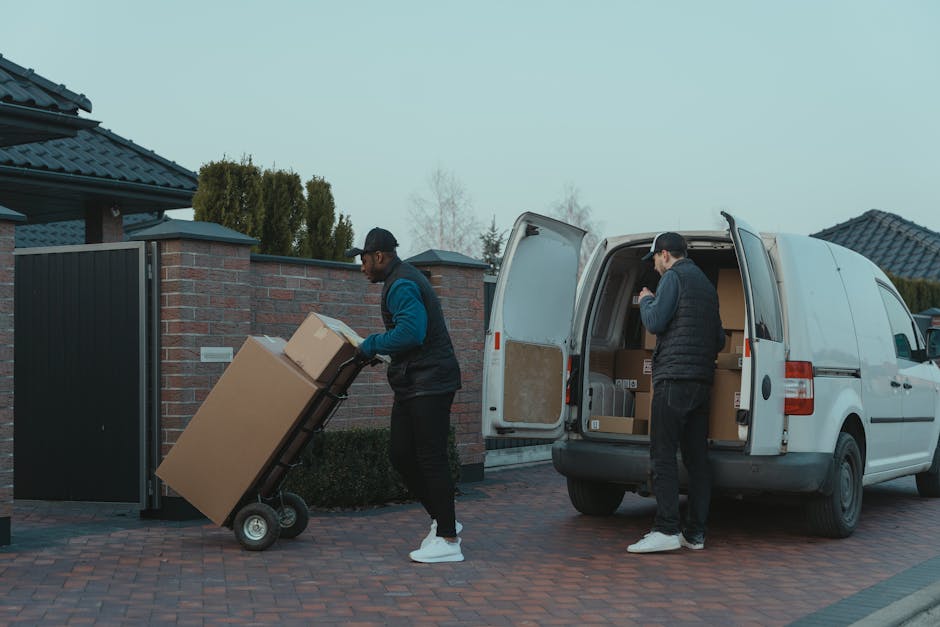
Tools, Resources and Recommendations
You do not need a warehouse of gear to handle bulky items well. A few sensible tools make a big difference.
- Gloves: improve grip and protect hands from rough edges.
- Furniture blankets: useful for protecting furniture and walls during loading.
- Strong tape and labels: handy if dismantling or grouping parts.
- Basic measuring tape: priceless for checking whether the item will actually fit through the route.
- Straps or trolleys: often useful for heavier loads, though only if you know how to use them safely.
- Bin bags and boxes: for screws, cables, and small detachable parts.
On the planning side, a good quote process matters too. If you are comparing a private removal option, look for clear pricing, item descriptions, and access notes. A simple, honest breakdown usually beats a vague low headline every time. For extra context, what local removals quotes cost is a helpful read.
And if your bulky item is not just bulky but specialist, for example a piano, do not treat it like a standard chair with ambition issues. Read professional piano relocation solutions before you lift a finger. Same goes for freezing appliances or anything that needs special preparation, such as the guidance on storing a turned-off freezer.
Law, Compliance, Standards, or Best Practice
When dealing with bulky waste, the main thing is to follow the collection instructions carefully and avoid putting items out in a way that creates obstruction, mess, or unsafe lifting. Councils and private operators can each have their own acceptance rules, booking conditions, and access requirements. The details matter.
Best practice is simple enough:
- Do not leave items where they block pavements, exits, or communal areas.
- Do not move loads you cannot control safely.
- Do not assume a council collection will take every item type.
- Do not hide unsafe or prohibited items in a mixed pile.
- Do keep communication clear if the property has limited access, stairs, or parking restrictions.
If your disposal forms part of a move, parking and access become even more important. A poorly planned vehicle position can delay the job or cause avoidable trouble. For local moving logistics, Brent Council fines, moving, and parking rules in NW2 gives useful background.
For private removal, check the provider's safety approach, handling process, and terms before booking. If you want to understand how a reputable mover approaches risk and care, the pages on insurance and safety and health and safety policy are worth a look.
Options, Methods, or Comparison Table
Here is the practical difference at a glance.
| Factor | Brent Council bulky-item pickup | Private removal |
|---|---|---|
| Speed | Usually slower; depends on available booking slots | Usually faster; often more flexible |
| Convenience | Good for simple, pre-planned jobs | Better for awkward, urgent, or mixed-item jobs |
| Collection from inside the property | Often limited or not included | Commonly included |
| Item types | May be restricted by council rules | Often broader, depending on provider and item type |
| Effort required from you | Higher if items must be moved outside | Lower; the crew does the lifting |
| Best for | Standard, non-urgent bulky waste | Fast clear-outs, difficult access, heavy or mixed loads |
| Planning needs | Simple but rule-based | More custom, but often easier overall |
If you are comparing council pickup with a removal van for a full flat clear-out, the private side often becomes more practical once stairs, time pressure, and furniture size enter the picture. A proper removal van in Dollis Hill can make that sort of job feel far less chaotic.
Case Study or Real-World Example
Imagine a resident in Dollis Hill clearing a one-bedroom flat at the end of a tenancy. They have a sofa, a mattress, a small wardrobe, and a freezer that needs moving out. At first glance, council collection seems sensible because there is no need for a full house clearance.
Then the details appear. The sofa will not fit easily through the turning on the stairs unless it is tilted and guided carefully. The mattress is awkward to grip. The freezer is heavy, and the hallway is narrow. On top of that, the property handover is in two days, and the resident still needs to clean, pack, and hand back the keys. Suddenly the "simple" council option does not feel quite so simple.
In that scenario, a private service becomes more attractive because the items can be collected in one visit, from inside the property, with the lifting handled by people who do this sort of thing every day. If storage is part of the plan, then separating what is being removed from what is being kept also matters. The resource on freezer storage after switch-off is one example of how a small preparation step can prevent a bigger problem later.
The final result? Less back-and-forth, fewer surprises, and a lot less standing in the hallway wondering why the sofa has suddenly become wider than physics allows.
Practical Checklist
Use this before you book anything. It saves stress, and honestly, it saves money too.
- List every item you need removed.
- Measure the biggest items and the narrowest parts of the route.
- Check whether the item needs dismantling.
- Decide how quickly it must go.
- Confirm whether you can move it to the kerb safely.
- Check whether the item is standard bulky waste or something specialist.
- Consider stairs, parking, and access constraints.
- Decide whether you are disposing, storing, or relocating the item.
- Compare the total effort, not just the headline price.
- Choose the option that reduces risk to your property and your back.
If your plan involves a bigger move as well, it can help to review stress-free packing advice and packing and boxes support so the removal side and the disposal side work together rather than against each other.
Conclusion
Brent Council bulky-item pickup vs private removal is not really a contest with one universal winner. It is a matching exercise. If you have one or two standard items, you are not in a rush, and you can follow the council's rules, council pickup can be a sensible, cost-conscious route. If your items are heavy, awkward, urgent, upstairs, or part of a larger move, private removal is usually the smoother and safer choice.
The real question is not "Which is cheapest?" It is "Which is least likely to waste my time, damage my walls, or leave me wishing I had chosen differently?" That is the better question. And once you ask it, the answer often becomes clearer.
For a broader look at how removal planning, access, and local logistics fit together, you may also find the services overview useful when you are mapping out the next step.
Get a free quote today and see how much you can save.
Sometimes the smartest move is the one that gives you your space back without turning the day into a wrestling match. A calm, tidy exit is worth a lot.