Loft, garage & shed clearances in Dollis Hill made simple
Posted on 06/07/2026
Loft, garage & shed clearances in Dollis Hill made simple
If your loft has become a maze of old boxes, the garage is full of half-finished projects, or the shed has quietly turned into a home for everything you no longer want to think about, you are not alone. In homes across Dollis Hill, these spaces often become the last place clutter goes to hide. This guide on Loft, garage & shed clearances in Dollis Hill made simple explains how to tackle the job without turning your weekend into a headache.
We will walk through how the process works, what to keep, what to remove, how to stay safe, and how to avoid the usual mistakes. You will also find a practical checklist, a comparison table, and a realistic local example so you can plan the job properly. To be fair, once you break the task into smaller parts, it is far less daunting than it looks at first glance.
For people who are already planning a wider declutter or move, it can help to look at this practical decluttering guide before changing homes and a simple guide to moving without the chaos. Both fit neatly alongside a clearance project.
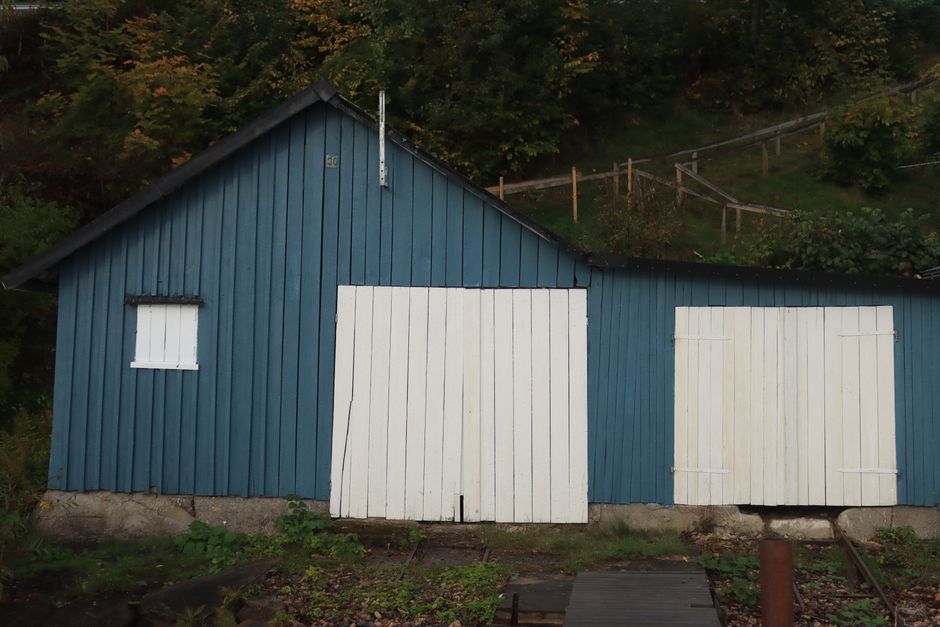
Why Loft, garage & shed clearances in Dollis Hill made simple Matters
These clearances matter for more than just making a room look tidy. A loft full of dusty boxes can make it harder to use the space safely. A garage packed with broken furniture, tools, paint tins, and old bikes can stop you parking inside or even opening the door properly. A shed full of damp cardboard and forgotten garden waste can attract mould, pests, and a lingering musty smell that follows you every time you lift the latch.
In Dollis Hill, many properties have limited outdoor storage, shared access, or tight side passages. That means a clearance job is not just about lifting and carrying. It is about planning the route, protecting the property, sorting items properly, and deciding what should be reused, recycled, sold, or disposed of.
And honestly, the mental relief is part of the value. You know that moment when you finally see the floor in a space you have not properly opened in years? It feels oddly satisfying. A little victory, but a real one.
Clearance also matters when you are preparing for a move, refurbishing the house, reclaiming storage space, or dealing with an inherited property. If the job connects to a wider relocation, it may help to read about safer ways to handle heavy lifting and how lifting mechanics reduce strain. Those ideas are surprisingly useful in cramped lofts and awkward sheds.
How Loft, garage & shed clearances in Dollis Hill made simple Works
A proper clearance usually starts with a quick assessment. The goal is to understand what is inside, how accessible it is, whether anything needs disassembling, and how much sorting is required. In practice, that means looking at stairs, ladders, low ceilings, narrow doors, uneven flooring, and anything fragile or awkward, like mirrors, old appliances, or damp storage boxes.
The process is usually most efficient when it follows a simple order:
- Assess the space - identify access points, hazards, and item types.
- Separate items - create clear piles for keep, donate, recycle, and remove.
- Protect the route - cover floors, clear walkways, and plan carrying paths.
- Remove bulky items first - get the awkward pieces out before the smaller clutter takes over.
- Sort disposal properly - decide what needs special handling, such as electrical items, paint, or old freezers.
- Final sweep - check corners, rafters, shelves, and the space under benches or boxes.
Some clearances are straightforward. Others are a bit of a puzzle. A loft, for example, might contain seasonal decorations, old paperwork, and insulation that you do not want disturbed too much. A garage may hold a freezer, a spare sofa, and workshop tools all in one place. A shed can be the easiest place to forget about garden chemicals, broken pots, or rusty equipment. The trick is to treat each space differently rather than using the same approach everywhere.
If you are moving larger items out of a garage or shed, it can help to think about transportation too. A local team with the right vehicle can save repeated trips and avoid damage to walls or door frames. For that side of things, you may find man and van support in Dollis Hill and furniture removals in Dollis Hill useful in the broader planning stage.
Key Benefits and Practical Advantages
A well-managed clearance gives you more than a tidy room. It creates usable space, reduces stress, and can make the whole property feel more organised almost immediately. Here are the biggest benefits people notice.
- More storage you can actually use - boxes and tools stop blocking the good stuff.
- Safer access - fewer trip hazards, loose items, and unstable stacks.
- Better decision-making - once everything is visible, it is easier to choose what stays.
- Less waste - items can be separated for reuse or recycling instead of being lumped together.
- Easier property preparation - handy before selling, letting, decorating, or moving.
- Lower physical strain - a sensible plan reduces the need for rushed lifting and twisting.
There is also a quiet financial upside. When a loft, garage, or shed is organised, you are less likely to buy duplicates of things you already own. It sounds small, but over time, those duplicate purchases add up. That half-broken drill you thought was missing? It turns up right after you buy a new one. Classic.
For anyone working through a move as well, a clearer property can make packing feel less chaotic. If that sounds familiar, stress-free packing tips and packing and boxes support in Dollis Hill may help keep the whole project moving in the right direction.
Who This Is For and When It Makes Sense
This kind of clearance suits far more people than you might expect. It is not just for households in crisis or major hoarders. In fact, the most common cases are very ordinary.
- Homeowners wanting to reclaim valuable storage space
- Landlords preparing a property between tenancies
- Tenants clearing before a move-out inspection
- Families sorting out inherited belongings
- People converting a loft, garage, or shed into a usable room
- Anyone dealing with bulky, awkward, or dusty items they cannot remove alone
It also makes sense when you have a time limit. Maybe the decorator is coming next week. Maybe you need access to the boiler or fuse box. Maybe the garden shed has become so full that every visit feels like a mini excavation. In those cases, waiting rarely helps. You usually need a clear plan, not another weekend of "I'll deal with it later."
If you are comparing help for a bigger household job, it can be worth looking at house removals in Dollis Hill or broader removal services in Dollis Hill if the clearance is part of a larger clean-out.
Step-by-Step Guidance
Here is the simplest way to approach a loft, garage, or shed clearance without losing momentum halfway through.
1. Start with a quick survey
Open the space and look around before moving anything. Check for damp, broken shelving, wasp nests, loose nails, low beams, or heavy items perched awkwardly on top of stacks. In a loft, pay attention to access ladders and ceiling joists. In a shed, look for water damage or warped floors. It sounds basic, but it prevents the annoying surprise later.
2. Set up sorting zones
Use four simple categories: keep, donate, recycle, remove. If you need a fifth category for "I'll decide later," make sure it is temporary. Too many people create a mystery pile and then leave it there for six months. We have all seen it.
3. Remove obvious rubbish first
Begin with broken packaging, empty pots, cracked containers, old tarps, and anything obviously no longer usable. Clearing visible waste quickly gives you space to think and work more safely. It also helps you spot the useful items buried underneath.
4. Deal with bulky pieces early
Old cabinets, bikes, exercise gear, shelving, and tired furniture take up a disproportionate amount of room. Get them out before the small items swallow the floor. If you are moving a bed, sofa, freezer, or piano as part of a bigger job, those items need more careful handling. A helpful read is the guide to moving beds and mattresses safely and tips for storing a turned-off freezer.
5. Protect what you are keeping
Cover items that will stay in the space with dust sheets or clean covers. Loft dust has a way of getting everywhere. So does damp shed debris, to be honest. Label boxes clearly if they are going back in storage.
6. Clear the transport route
Before carrying anything heavy, make sure the path is open. Move mats, shoes, plant pots, tools, and anything else that causes a stumble. If the access route is narrow or shared, plan who will carry what and in which order.
7. Load with care
Lift with a steady posture, use two people where needed, and do not rush the awkward corners. If something feels too heavy or unstable, pause. That is not weakness; it is common sense.
8. Finish with a clean, dry reset
Once the space is empty, sweep it out, check for leaks or damage, and decide how you want to use it next. A clear space is easier to keep clear if you define its purpose immediately.
Expert Tips for Better Results
A few small choices make a big difference here. The first is timing. If possible, clear the space in daylight. Natural light makes it much easier to spot dust, mould patches, old fixings, and misplaced sharp objects. A damp shed in the evening feels ten times more gloomy than it actually is.
Second, work top-down where relevant. In a loft, remove lighter items from the upper shelves or rafters before tackling the lower stacks. In a garage, strip the wall storage before the floor. In a shed, move fragile items out first so they are not crushed during the rest of the clearance.
Third, do not underestimate the value of labels. A single marker pen and a few stickers can save you from future guessing. "Christmas lights," "spares," and "keep" are a lot better than five identical boxes marked "misc."
Fourth, if you are unsure whether something can be recycled or should be treated as waste, keep it separate until you have checked. Mixed piles slow everything down. A neat pile of repaint tins, electricals, and general rubbish is not neat at all. Just messy in a more organised way.
For lifting technique and safe handling, a useful companion read is the mechanics of kinetic lifting. It pairs well with advice for lifting heavy items alone when you are trying to make sensible decisions about when to call for help.

Common Mistakes to Avoid
The biggest mistake is starting without a plan. People often open a loft hatch, spot the mess, and begin hauling random boxes down the ladder. That usually leads to fatigue, broken items, and a bigger mess on the floor below.
Another common issue is ignoring access. A garage clearance can go wrong quickly if the car is not moved, the gate is blocked, or the door swing has not been checked. Likewise, a shed clearance is much easier when you know whether a wheelbarrow, sack truck, or extra pair of hands will actually fit through the opening.
Other mistakes to watch out for:
- Mixing reusable items with general rubbish
- Trying to move heavy things without checking weight or balance
- Forgetting about damp, mould, or pests
- Leaving disposal until the end and then rushing it
- Not protecting carpets, floors, or door frames
- Keeping too many "maybe" items that never get sorted
One more thing: do not assume every old item is harmless just because it has been sitting there a long time. Paint, oils, batteries, chemicals, and broken appliances need a bit more care. The old workshop corner can be more awkward than the whole rest of the job put together.
Tools, Resources and Recommendations
You do not need a van full of specialist kit, but a few basics make life much easier. The best toolkit depends on the space, yet these are the common essentials:
- Strong gloves with a good grip
- Sturdy refuse sacks and recycling bags
- Marker pens and labels
- Dust sheets or old covers
- A torch or head torch for loft corners
- Sack truck or trolley for heavier loads
- Screwdriver set for dismantling shelves or flat-pack furniture
- Cleaning supplies for the final sweep
If your clearance includes furniture that needs temporary storage, it is worth thinking about how sensitive the items are to dust and moisture. A sofa, mattress, freezer, or upholstered chair can all need a different storage approach. For more detail, you may want to read how to keep a sofa in good condition while stored. It is a small thing, but it can save a lot of regret later.
On the transport side, some people combine clearance with local moving help, especially when there are bulky items leaving the property at the same time. If that is you, same-day removals in Dollis Hill can be useful when timing is tight. And if you are still comparing options, pricing and quotes may help you understand what to expect before booking anything.
Law, Compliance, Standards, or Best Practice
When a clearance involves waste, safety, or access on shared roads, it is sensible to follow established UK best practice. Without getting overly technical, the main points are simple.
First, separate waste responsibly. Items such as electrical equipment, paint, batteries, gas canisters, and certain chemicals should not be bundled into general rubbish. If you are unsure, keep them apart and seek proper disposal guidance through your chosen waste handler or local services.
Second, be careful with manual handling. If an item is too heavy, too awkward, or too unstable for one person, do not force it. That is how people strain backs, trap fingers, or damage stair rails. A safe job is a better job.
Third, watch access and parking. In Dollis Hill and the wider NW2 area, narrow streets, limited parking, and shared access can affect how a clearance is carried out. If a vehicle is needed, plan for loading space and any restrictions in advance. A smooth clearance often depends on details that sound boring until they become the main problem.
Fourth, if the property is rented or being handed back, keep the space clean and presentable. That is especially important for end-of-tenancy situations. A quick wipe-down and proper sweep can make the difference between "done" and "done properly."
For a wider look at safety and process, the pages on insurance and safety and health and safety policy can help set the right expectations when work is being handled professionally.
Options, Methods, or Comparison Table
Different clearances call for different approaches. Here is a simple comparison to help you decide what fits best.
| Method | Best for | Pros | Watch out for |
|---|---|---|---|
| DIY clearance | Small, light, well-sorted spaces | Lower direct cost, full control | Time-consuming, physically tiring, disposal can get messy |
| Mixed DIY with hired transport | Moderate clearances with bulky items | Good balance of control and convenience | Still requires sorting and lifting on your side |
| Professional clearance support | Large, heavy, awkward, or time-sensitive jobs | Faster, safer, less stress | Needs clear scope and good communication |
For many people, the middle option is the sweet spot. You sort what you want to keep, and someone else helps move or remove the bulky remainder. That is especially common where old furniture, appliances, or garden clutter are part of the same job. If you want a broader context on local support options, removal companies in Dollis Hill and man with a van services are worth comparing carefully.
Case Study or Real-World Example
A typical Dollis Hill example goes like this. A family is preparing to redecorate and convert a cluttered garage into a utility space. The garage contains old shelving, two broken bicycles, paint tins, a chest freezer, several boxes of mixed household items, and a stack of damp cardboard that has gone soft around the edges.
They start by separating the clear keepers from the obvious waste. One box contains seasonal decorations, which can be labelled and stored properly. A few hand tools go back into a clean crate. The broken bikes, damaged cardboard, and worn-out shelving are moved out first. The freezer is checked and removed with care because it needs more than a casual drag across the floor. The paint tins are kept apart for proper disposal handling rather than mixed in with general rubbish.
The change is immediate. Not just visually, but practically. The garage door opens fully again. The family can access the wall space. The floor is visible. And because they did not rush the sorting stage, they avoid that awkward second pass where you realise half the pile should have stayed.
Truth be told, this is the kind of job that looks simple on paper and becomes very satisfying once it is broken down properly. A few hours of focused work can unlock a lot of space.
Practical Checklist
Use this checklist before you start:
- Plan which space you are clearing first: loft, garage, or shed
- Check access routes, steps, doors, and ladders
- Gather gloves, labels, bags, dust sheets, and basic tools
- Set up keep, donate, recycle, and remove zones
- Move obvious rubbish out first
- Separate electricals, paint, batteries, and chemicals
- Protect floors and walls on the route out
- Deal with bulky items before small clutter
- Clean and dry the space once empty
- Decide how the cleared space will be used next
If the job connects to a full home refresh or move-out, you may also want a cleaning checklist before handing over the keys and a quick read on avoiding parking issues around Brent and NW2 so the whole project stays smooth.
Conclusion
Loft, garage and shed clearances do not need to be overwhelming. Once you sort the job into sensible stages, the whole thing becomes much more manageable. Start with access, sort as you go, handle bulky items carefully, and keep waste separated properly. That is the simple version, and it works.
What usually makes the biggest difference is not speed. It is structure. A clear plan, a realistic amount of time, and the willingness to stop and think before lifting something awkward. That is how you protect the property, protect yourself, and actually finish the job without the usual chaos.
Get a free quote today and see how much you can save.
And if the space has been ignored for a while, do not worry. Most of these jobs begin with a sigh and end with a small grin when the floor finally reappears. That moment is worth it.