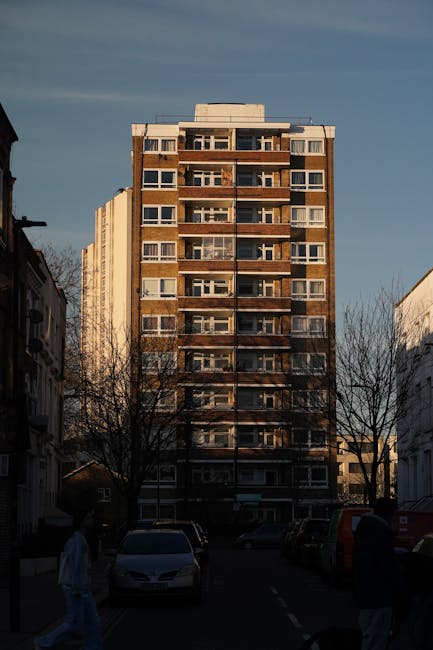
Moving from Dollis Hill Estate? Narrow-stair flat tips
Posted on 14/05/2026
Moving from Dollis Hill Estate? Narrow-stair flat tips for a smoother flat move
If you are moving from Dollis Hill Estate, narrow stairs can turn a normal move into a bit of a puzzle. One wrong turn with a sofa, a bed frame, or a heavy fridge, and suddenly the landing feels two inches wide. Truth be told, that is where good planning saves the day. This guide on Moving from Dollis Hill Estate? Narrow-stair flat tips walks you through the practical bits: measuring awkward furniture, protecting walls, choosing the right lifting method, and knowing when a professional flat-removal team is the safer option.
You will also find local, real-world advice for London flats, plus a checklist and FAQs you can actually use. If you want more background on the wider process, it can help to look at moving day planning tips, stress-free packing guidance, and the dedicated flat removals in Dollis Hill service page.
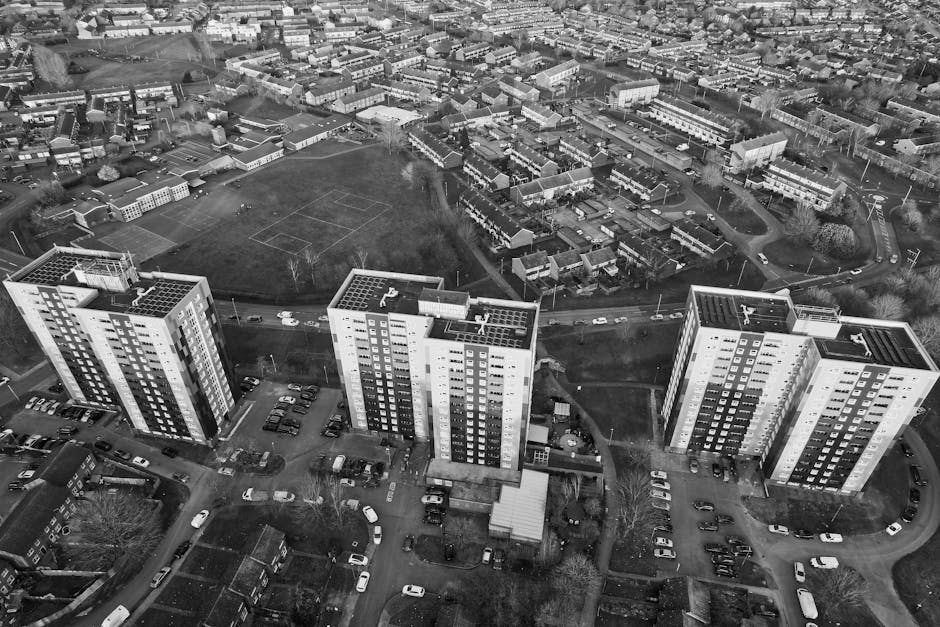
Why Moving from Dollis Hill Estate? Narrow-stair flat tips Matters
Dollis Hill Estate has all the usual flat-moving quirks: shared entrances, tight turns, stairwells that seem to shrink once a mattress is in them, and neighbours who are trying to get past at the same time. When stairs are narrow, the job becomes less about strength and more about geometry, patience, and protecting the building as you go.
That matters for three reasons. First, a badly planned move can damage furniture. Second, it can mark walls, banisters, floors, and door frames. Third, it can make the whole day slower and more stressful than it needs to be. Nobody wants to reach the top step already tired and then realise the wardrobe will not make the corner. Been there, seen that, not fun.
This is especially relevant for flats because access is often the biggest challenge, not distance. A short move from one Dollis Hill Estate flat to another can still take ages if the stairwell is awkward. For people with bulky items, the right approach is usually a mix of prep, stripping items down, and using the right team or van setup. If you need a broader service overview, the services overview page gives a good sense of the options available.
Expert summary: If the stairs are tight, plan around the stairwell first and the furniture second. Measure the access, protect the route, dismantle what you can, and only then decide how many hands you need.
How Moving from Dollis Hill Estate? Narrow-stair flat tips Works
The basic process is simple, though the details matter. You start by checking the access route from the front door to the van, then measure the items that are most likely to cause trouble. After that, you decide what can be taken apart, what needs special wrapping, and what should perhaps go into storage rather than being forced through a stairwell on a rainy Tuesday evening.
For a narrow-stair move, the stair geometry usually dictates the order of loading and unloading. Large items often go out first, but only if the route is clear and safe. Small boxes, lamps, and soft items can be moved later, which helps keep the staircase usable. If the building has awkward bends or low ceilings, the angle of the lift becomes just as important as the weight.
One practical trick: do a rehearsal with your widest item. Hold a tape measure against the sofa arm, bed headboard, or wardrobe and compare it to the narrowest stair point. If it looks tight on paper, it will feel tighter in real life. That sounds obvious, but people still skip it all the time.
When the move involves multiple items and a busy schedule, many people prefer a local man and van in Dollis Hill or a more complete removals service in Dollis Hill so the access plan, lifting, transport, and unloading are handled as one job rather than three separate headaches.
Key Benefits and Practical Advantages
Good narrow-stair planning gives you a lot back. Most people think of it as a way to avoid damage, which is true, but there are several other benefits that are easy to overlook.
- Less risk of scrapes and dents: walls, skirting, doors, and furniture edges are all safer when the route is protected.
- Faster loading and unloading: a route that has been measured and cleared runs more smoothly, even if the stairs themselves are awkward.
- Lower physical strain: less twisting and carrying in bad positions means fewer sore backs and awkward near-misses.
- Better control over fragile items: wrapping and splitting loads into sensible sizes makes breakage less likely.
- Fewer delays with neighbours or building access: a tidy, calm move is simply easier to manage in a shared block.
There is also a mental benefit. Once the worst access issues are solved, the rest of the day feels manageable. You are not constantly wondering whether the wardrobe will fit or whether the corner will catch on the rail. That confidence matters, especially on a move day that starts early and seems to go on forever.
For people moving furniture-heavy homes, reading practical guides like bed and mattress moving advice or how to keep a sofa in good condition while stored can save a lot of guesswork.
Who This Is For and When It Makes Sense
This guidance is for anyone leaving a flat with tight stairs, but it is especially useful if you are on a middle or upper floor, or if your building has a narrow internal staircase with a bend halfway up. It is also relevant if you have items that are heavy but not especially awkward, because weight and shape are two different problems. A heavy box is one thing. A heavy box with no good handholds is another story entirely.
You will likely benefit from these tips if you are:
- moving from a Dollis Hill Estate flat with limited stair width or a tight landing;
- handling a one-bedroom or studio move where every item has to be carried by hand;
- moving larger items like a sofa, divan bed, wardrobe, bookcase, or fridge;
- trying to finish in a single day without damaging the property;
- moving with children, pets, or a strict time window;
- considering storage for furniture that will not fit safely through the stairs.
Students and short-term renters also run into this problem a lot, which is why services such as student removals in Dollis Hill can be a sensible fit when the move is small but the access is fiddly. And if you are actually downsizing, you may want to look at storage options in Dollis Hill rather than forcing everything out in one go.
Sometimes the right answer is simple: if an item cannot be moved safely, it should not be moved that way. That is not failure. That is good judgement.
Step-by-Step Guidance
Below is a practical order of operations that works well for narrow-stair flat moves. It is not fancy. It just works.
- Measure the route first. Check staircase width, landing depth, handrail position, ceiling height at turns, and the tightest doorway.
- Measure the furniture. Width, height, depth, and any fixed parts such as arms, legs, or headboards.
- Decide what can be dismantled. Remove legs, shelves, mirrors, bed slats, and any loose fittings where possible.
- Sort by difficulty. Move the awkward pieces first while everyone is fresh, not after six trips up and down the stairs.
- Protect the route. Use floor coverings, corner protectors, blankets, and tape that will not ruin the paintwork.
- Pack the stairs sensibly. Keep the route free of loose shoes, bin bags, cables, and random bits of packaging.
- Use a controlled lifting technique. Keep loads close to the body and avoid twisting. There is a useful explainer on safer lifting mechanics if you want to understand the movement side a bit better.
- Load the van with a plan. Put the heaviest and most stable items in first, then stack lighter items around them.
- Check the flat before leaving. Doors, cupboards, meters, sockets, and windows all need a final look.
If you are packing at the same time, keep one box type for essentials and label it clearly. For instance, kettle, charger, toilet roll, tea bags, screwdriver, and the kettle again if you are the sort of person who likes a second cup before lunch. A good packing system makes the staircase work feel much smaller.
Expert Tips for Better Results
Here is where the small details pay off. They do not sound dramatic, but they make a real difference on the day.
- Use furniture sliders and blankets intelligently: not to drag heavy pieces down stairs, but to protect surfaces while turning items in tight hallways.
- Take photos before dismantling: especially for beds, desks, and wardrobes. It is amazing how quickly one bag of screws becomes three bags of mystery screws.
- Keep one person on communication duty: one clear voice calling turns, pauses, and clearance points avoids confusion.
- Wrap corners twice: the corners of wardrobes, tables, and drawers take the hits first in narrow spaces.
- Use the right number of people: not just stronger people, but enough people to guide the item safely around the bend.
- Think about timing: quieter times of day are often easier in shared blocks. Less foot traffic, less pressure, fewer awkward apologies in the stairwell.
Another useful habit is to pre-stage boxes near the exit without blocking fire routes or common areas. Keep a little breathing space. It helps everybody. If the move involves delicate furniture, the furniture removals in Dollis Hill page is worth a look because that is exactly where the specialist handling tends to matter most.
And yes, if something feels too big for the stairs, it probably is. Your instinct is not being dramatic. It is being sensible.
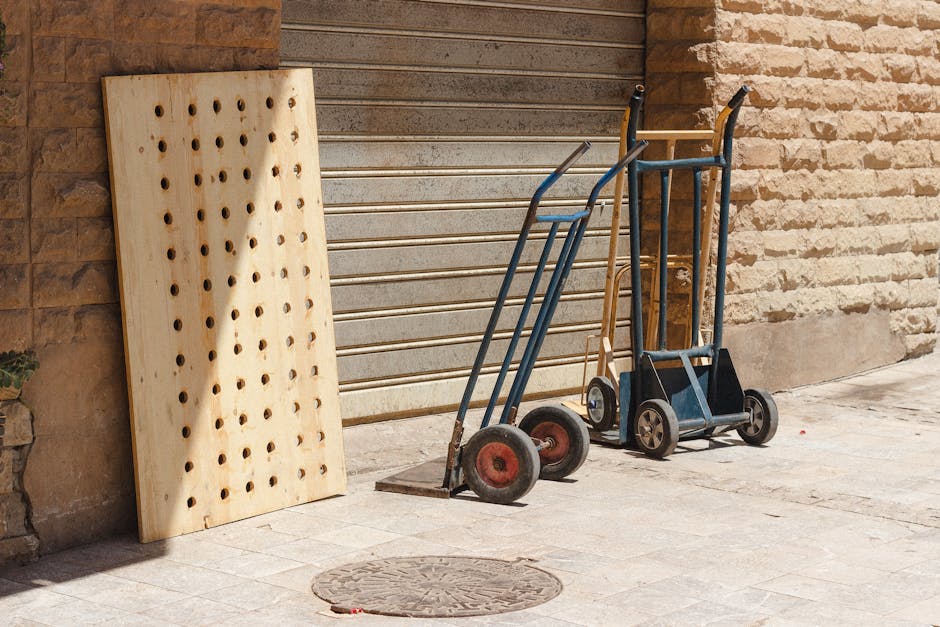
Common Mistakes to Avoid
The same issues crop up again and again with narrow-stair moves. Avoiding them is often easier than fixing them later.
- Not measuring properly: people often measure the furniture but forget the turn, banister, or low ceiling point.
- Leaving dismantling until moving day: that is how a calm morning turns into a long, noisy delay.
- Dragging items instead of carrying them: it may seem easier, but the risk of damage rises fast.
- Overfilling boxes: a box that is just a bit too heavy becomes a problem on stairs. Honestly, it does.
- Ignoring the finish on the property: a scratched wall or chipped handrail can cause avoidable stress with landlords or building managers.
- Assuming every item will fit with brute force: brute force is a poor design strategy. Not ideal, really.
A lot of issues come from rushing. People see an open van and think the hard part is over, but the staircase is usually the real test. Slow is not the enemy. Controlled is better than quick, every time.
Tools, Resources and Recommendations
You do not need a warehouse of specialist kit to move from a narrow-stair flat, but a few items make life noticeably easier.
| Tool or item | Why it helps | Best use |
|---|---|---|
| Measuring tape | Checks furniture width, stair width, and turning space | Before the move and again before loading |
| Furniture blankets | Protects surfaces and reduces scuffs | Wrapping corners, doors, and fragile finishes |
| Ratchet straps | Keeps items steady in the van | Transporting larger or taller furniture |
| Gloves with grip | Improves hold and reduces slips | Carrying boxes, mattresses, and awkward items |
| Floor and corner protection | Protects walls, paintwork, and floors | Shared stairwells and tight hallways |
For packing supplies, the packing and boxes in Dollis Hill page is a helpful starting point. If you are trying to cut clutter before the move, the guide on decluttering before changing homes is genuinely worth the time. Less stuff usually means fewer staircase battles. Simple as that.
If you need something short-notice because plans have shifted, same-day removals in Dollis Hill may be useful, though tight access still needs the same careful prep. Time pressure and narrow stairs do not mix beautifully, lets face it.
Law, Compliance, Standards and Best Practice
For most domestic moves, there is no special law just for narrow staircases, but there are still standards and duties worth respecting. If you are using movers, they should have suitable safety practices, proper lifting methods, and adequate insurance for the work being done. If you are moving through a shared building, you also need to respect the property rules, common areas, and any instructions from the landlord, managing agent, or residents' association.
Best practice usually includes:
- keeping communal stairwells clear wherever possible;
- avoiding damage to floors, doors, and walls;
- lifting within safe limits and using team lifts for awkward items;
- not blocking exits or fire routes;
- checking whether building access times or booking rules apply.
It is also sensible to choose a provider that is open about insurance and safety. That does not remove all risk, but it shows the work is being handled professionally. If you want to understand the company side a bit more, pages such as about us, terms and conditions, and health and safety policy are all useful trust signals.
For items like pianos, the standards are even stricter in practice because the weight, shape, and fragility make the stairs a real hazard. In that case, specialist help through piano removals in Dollis Hill is usually the smarter call.
Options, Methods and Comparison Table
There is no single best method for every move. The right option depends on the item, the stair width, the number of people available, and how much risk you are willing to accept. Here is a practical comparison.
| Method | Best for | Pros | Watch-outs |
|---|---|---|---|
| DIY with friends | Small flats, light furniture, short moves | Low cost, flexible timing | Higher injury and damage risk, less control |
| Man and van | Moderate flat moves, mixed furniture, limited budget | Good balance of price and support | Still requires good access planning |
| Full removals team | Heavier loads, awkward stairwells, larger flats | More hands, better handling, less stress | Usually costs more than a basic van hire |
| Storage-first approach | Items that will not fit safely through stairs | Reduces damage and pressure on moving day | Requires a second move later |
If your move is mainly furniture-heavy, a specialist route through man with a van in Dollis Hill can be a practical middle ground. For larger homes, house removals in Dollis Hill may make more sense, even if the building is technically a flat. The access problem is what matters, not the label.
Case Study or Real-World Example
Here is a realistic scenario. A couple moving out of a Dollis Hill Estate two-bedroom flat had a sofa, a king-size bed, a dining table, and a couple of heavy bookcases. The stairs were narrow, with a turn halfway up and a slightly awkward handrail on one side. Nothing outrageous, but enough to make a straightforward lift impossible.
They measured the sofa and realised it would not take the turn with the legs on, so those were removed first. The bed frame was dismantled the night before, with screws bagged and taped to the matching panel. The dining table legs came off, and the bookcases were emptied so each piece could be handled safely. One person stayed on the landing calling turns and pauses. Another protected the wall edge with blankets.
The result? The move took longer than they first expected, but nothing was scraped, nobody rushed, and the items arrived intact. The key win was not strength. It was prep. A bit boring, maybe, but very effective.
They also decided to store one bulky item rather than forcing it through the stairs. That choice came straight from common sense and probably saved a headache. If storage is part of your own plan, you might also find the guide on storing a freezer after switching it off useful if appliances are involved.
Practical Checklist
Use this quick checklist the day before and again on moving morning.
- Measure the narrowest stair point, doorways, and landings.
- Measure the biggest furniture items twice.
- Dismantle beds, tables, and any flat-pack items that can be split down.
- Empty drawers, shelves, and cupboards before lifting.
- Pack screws, bolts, and fixings in labelled bags.
- Wrap corners, glass, and polished surfaces.
- Protect walls, floors, and banisters along the route.
- Keep the staircase clear of loose clutter.
- Decide which items need two people or more.
- Have water, snacks, and phone chargers to hand. Small thing, but it matters.
- Check building access rules or neighbour considerations if applicable.
- Confirm transport, parking, and arrival timing.
- Do a final sweep of cupboards, sockets, windows, and meters.
If you want a broader pre-move tidy-up routine, the article on getting the house ready before handing over the keys is a solid companion read.
Conclusion
Narrow stairs do not have to ruin a move from Dollis Hill Estate. They just need respect. Measure first, dismantle where you can, protect the route, and be realistic about which items should be carried, shared, or stored. The cleaner the plan, the calmer the day.
For many people, the real difference comes from choosing the right level of help. A small move might only need a van and careful handling; a bigger or trickier flat move may need a fuller removals setup. Either way, the goal is the same: get everything out safely, without turning the stairwell into a stress test.
Get a free quote today and see how much you can save.
And if you are standing at the top of a narrow landing wondering how on earth the sofa is going to make it out, take a breath. With the right plan, it usually does. One step at a time.