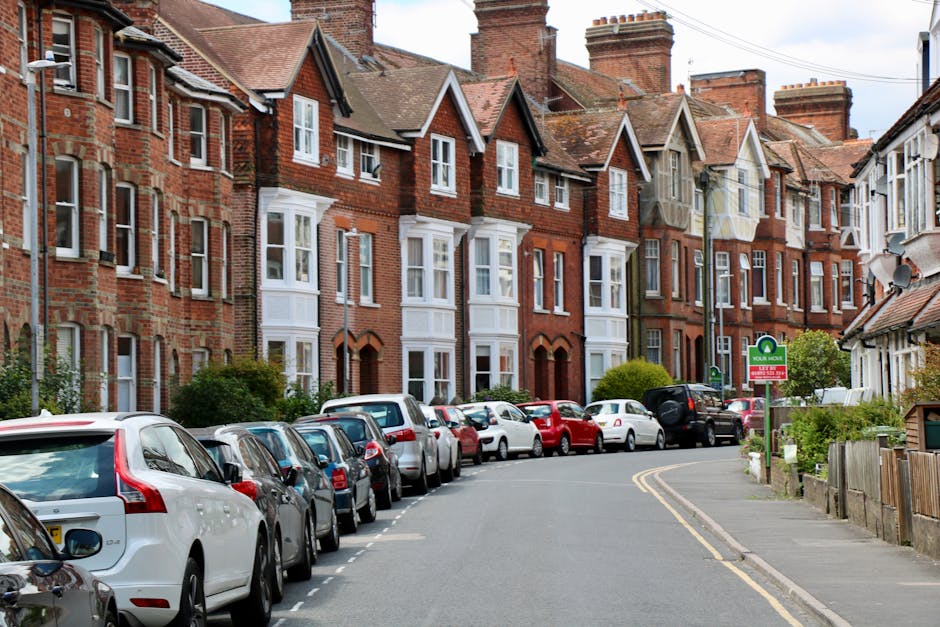
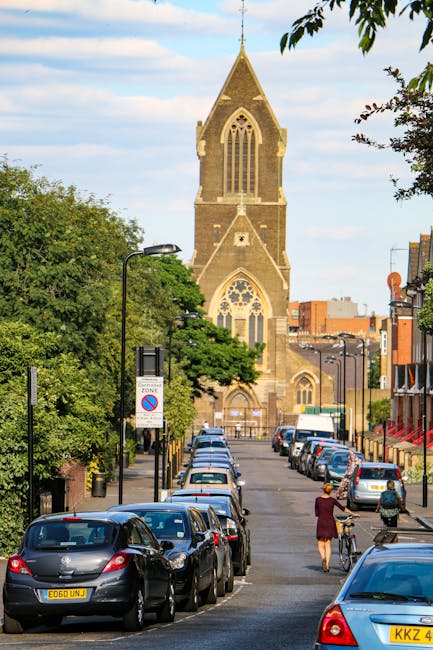
Best Dollis Hill streets for moving-day parking (NW2)
If you are planning a move in Dollis Hill, parking is often the bit that turns a decent day into a stressful one. A van that cannot get close to the front door means extra carrying, slower loading, tired arms, and the sort of delays nobody wants by mid-morning. This guide to the Best Dollis Hill streets for moving-day parking (NW2) focuses on practical choices, local conditions, and the little details that make a big difference when the removals van arrives.
Truth be told, there is no perfect street for every move. It depends on the size of your vehicle, the time of day, how much furniture you have, and whether you are dealing with permit bays, tighter side roads, or a main route that gets busy fast. Still, with a bit of planning, you can usually make the day smoother than you expect.
This article walks through where parking tends to be easiest, what to check before the truck turns up, and how to avoid the common mistakes that catch people out. If you are organising a local move, or using a man and van service, the advice below should help you keep things calm and efficient.
Table of Contents
- Why Dollis Hill moving-day parking matters
- How moving-day parking works in NW2
- Key benefits and practical advantages
- Who this is for and when it makes sense
- Step-by-step guidance
- Expert tips for better results
- Common mistakes to avoid
- Tools, resources and recommendations
- Law, compliance, standards, or best practice
- Options, methods, or comparison table
- Case study or real-world example
- Practical checklist
- Conclusion
- Frequently asked questions
Why Best Dollis Hill streets for moving-day parking (NW2) Matters
Parking is not just a convenience on moving day. In Dollis Hill, it can determine how quickly the job starts, how much lifting is needed, and whether the crew can work safely. A good parking spot means shorter carry distances, less time standing around, and fewer chances of damaging walls, doorframes, or furniture while shuttling items to the van.
NW2 has a mix of residential streets, busier through-roads, and pockets where parking is naturally tighter. Some roads are better for a shorter van; others can handle a larger vehicle if you arrive early and plan carefully. For example, a street with a little more width near the junction might be ideal for a boxy moving van, while a narrower cul-de-sac could suit smaller loads or a quick pick-up. Simple enough in theory. In practice, one parked car can change the whole picture.
This is also why moving-day parking matters from a customer service point of view. When a removals team can park sensibly, the day tends to feel more organised. There is less stress, fewer repeated trips, and more time to focus on packing, protecting furniture, and getting on the road. If you are booking removal services, it is worth thinking about parking before you think about the kettle or the first box.
A lot of people only realise this once the van is already outside. That is usually when the scramble begins.
How Best Dollis Hill streets for moving-day parking (NW2) Works
Finding the best street for moving-day parking is really a balancing act between access, restriction, and practicality. You are trying to get as close as possible to the property while avoiding problems such as blocking traffic, parking in a restricted bay, or forcing a driver to double-park for too long.
In a place like Dollis Hill, the decision usually comes down to four things:
- Street width - wider roads are easier for loading and unloading, especially with larger vans.
- Bay availability - some streets have more predictable parking than others, but spaces can disappear quickly.
- Restrictions - permit rules, single yellow lines, controlled parking zones, and loading limitations all matter.
- Distance to the entrance - the shorter the carry, the better for both speed and safety.
What makes this slightly tricky is that the best spot for a domestic move is not always the best spot for an office move or a furniture pick-up. A smaller job may be fine on a side road near the property. A full house move might need more room and a cleaner loading line. If you are arranging a bigger relocation, a provider that handles home moves or house removals will usually have a better feel for what vehicle size works in a given street.
And yes, the time of day matters. Early morning is often easier than late morning or school-run hours. By mid-day, a street that looked fine at 7:30 a.m. can feel very different. Funny how that happens.
Key Benefits and Practical Advantages
Choosing the right Dollis Hill street for moving-day parking gives you benefits that are easy to underestimate until you are in the middle of the job.
- Less carrying distance - shorter trips save time and reduce strain.
- Faster loading - the removals team can keep a steadier rhythm.
- Lower risk of damage - fewer turns through narrow hallways and front steps.
- Better vehicle positioning - a van can be parked with the rear doors facing the property more easily.
- Less disruption for neighbours - good parking usually means less blocking and fewer complaints.
There is also a psychological benefit, which sounds a bit soft until you live through a move. If the van is parked properly and the route is clear, everyone tends to settle. The boxes stop feeling endless. The day starts to feel manageable.
For businesses, the upside is even more obvious. A sensible loading point can make a small office relocation much more efficient, especially if you are coordinating IT kit, archive boxes, and heavier desks. If that sounds familiar, it may help to look at office removals or office relocation services rather than treating the move like a simple domestic run.
Who This Is For and When It Makes Sense
This guide is for anyone moving in or around Dollis Hill who wants the parking side of the day to go smoothly. That includes:
- tenants moving out of flats or terraced homes
- homeowners shifting into a new property
- people moving large furniture or single bulky items
- students or sharers with a small but awkward load
- small businesses relocating stock, desks, or equipment
It makes particular sense if your property is on a street where parking is usually tight, if you are using a larger moving van, or if you are not familiar with local restrictions. A lot of first-time movers assume they can just "find a space" on the day. Sometimes that works. Often, it turns into a half-hour delay and a very annoyed driver.
If you already know your move will involve more than a few boxes, it is worth talking to a team that can advise on vehicle choice too. A moving van may be enough for some jobs, while other moves are better handled with a larger vehicle or a more experienced crew. No shame in sizing it right. In fact, it is usually the smart move.
Step-by-Step Guidance
Here is a practical way to handle parking for a Dollis Hill move without overcomplicating it.
- Check the street conditions first. Walk the area if you can. Look for bay spacing, yellow lines, bends, dropped kerbs, and places where another vehicle could force your van to sit awkwardly.
- Measure your vehicle against the space. A short van and a long wheelbase van do not need the same amount of room. That sounds obvious, but people miss it all the time.
- Think about the entrance route. If you have steep steps, a narrow hallway, or a shared entrance, parking a bit closer can make a meaningful difference.
- Plan for a backup option. The best space may be taken. Identify a second or third choice on the same street or just around the corner.
- Arrive early where possible. Early arrival often means easier parking and less pressure. Even 20 minutes can help.
- Keep the loading sequence organised. Heavy items first, fragile boxes where they are easy to access, and essentials last.
- Confirm the parking approach with your mover. A good team will tell you whether they prefer nose-in, tail-in, or a specific side of the street for safe unloading.
One small but useful habit: take a quick look at the street before the van arrives, not after. Standing there at 8:00 a.m., coffee in hand, wondering where the space went is a very normal moving-day moment. Better not to have it.
If you need extra help with the heavy lifting side of the day, a service such as man with van or man with a van can be a practical fit for local moves where access matters as much as capacity.
Expert Tips for Better Results
After enough moves, a pattern becomes obvious: the best parking plans are the boring ones. The ones that look almost too cautious. That is usually where the smooth day lives.
- Use the shortest practical carry, not just the nearest space. Sometimes a spot slightly further away is easier to use because it avoids awkward reversing or traffic.
- Avoid parking beside tight corners. It might seem fine at first, but turning the van's doors toward the property can become messy.
- Protect the loading route. If there is a narrow pavement, use floor protection inside and make sure paths are kept clear.
- Leave room for neighbours. A considerate move reduces the chance of someone blocking the van out of frustration. That matters more than people think.
- Keep essentials separate. Keys, phone chargers, documents, and water should not disappear into the back of the van. Been there, regretted that.
If your street is especially busy, ask whether a smaller man with a van setup would be more practical than a larger vehicle. Sometimes smaller really is better. Not always, but often enough to matter.
And one more thing: if the move includes delicate, bulky, or high-value items, consider whether packing help would take pressure off the day. A bit of extra support from packing and unpacking services can save a surprising amount of time later on.
Common Mistakes to Avoid
The biggest parking mistakes are usually the simplest ones. People are busy, the box count is growing, and the van is due any minute. That is exactly when the obvious thing gets missed.
- Assuming the first available bay is automatically the best. It might be, but check access and exit room too.
- Ignoring restrictions. Even a space that looks empty may not be usable at the times you need it.
- Not checking for other large vehicles. A delivery truck nearby can change the whole street layout.
- Letting the van park too far away. A few extra metres sounds minor until you have to carry a wardrobe across them.
- Forgetting to brief the mover. The driver may have their own view on the best place to stop, and it is worth hearing it.
There is also a habit of underestimating how long parking will take. On moving day, "quick" is rarely as quick as hoped. If you build in a buffer, you are far less likely to feel rushed. A relaxed start changes the mood of the whole day.
Tools, Resources and Recommendations
You do not need a huge toolkit for this. Mostly, you need decent planning and a couple of practical items.
- Notebook or phone notes for street names, backup spaces, and access details.
- Measuring tape if you want to check whether a van will fit comfortably in a space.
- High-visibility vests if anyone is helping load near traffic or at a busy roadside.
- Protective blankets and straps to speed up safe loading once parking is secured.
- Contact details for your mover so you can quickly update them if parking changes.
For planning, the most useful recommendation is to keep your mover informed. If you are comparing providers, it may help to review pricing and quotes early so you can match vehicle size and service level to the actual job rather than guessing at the last minute.
If you are moving a larger home, a more complete service such as house movers or house removalists can help with the practical side of access planning as well. That is often where the value shows up.
Law, Compliance, Standards, or Best Practice
This part matters because moving-day parking is not just about convenience. In the UK, parking and loading must be handled carefully to avoid obstruction, unsafe stopping, or breaching local restrictions. Exact rules depend on the street and the local authority, so it is always wise to check the on-street signs and any permit or loading conditions before relying on a space.
Best practice is straightforward:
- do not block driveways or dropped kerbs
- do not assume loading is permitted wherever a vehicle can physically stop
- keep pedestrians clear, especially on narrow pavements
- use safe lifting methods and avoid rushing heavy items
- make sure the vehicle can depart safely without complex reversing
For the move itself, a reputable provider should also have clear policies around safety and insurance. It is sensible to review health and safety policy details and insurance and safety information before booking. That is not being fussy. It is just good sense.
If you are unsure about the best legal or practical approach on a particular street, choose caution. A slightly less convenient parking spot is a lot better than a ticket, a complaint, or a blocked neighbour. Simple, really.
Options, Methods, or Comparison Table
Different parking approaches suit different moving jobs. Here is a practical comparison to help you choose what fits best.
| Option | Best for | Pros | Possible drawbacks |
|---|---|---|---|
| Closest available space | Small flats, quick loads, furniture pick-ups | Short carry, fast turnaround | May be restricted or cramped |
| Safer space slightly further away | Busy streets, larger vans, heavier items | Easier manoeuvring, less stress | Longer walk with items |
| Pre-arranged loading position | Full house moves, office moves, repeated trips | Most organised, better for teams | Needs more planning |
| Smaller vehicle strategy | Narrow roads or tight access | More flexible parking, easier access | May require more trips |
For many Dollis Hill moves, the best answer is not the closest spot or the biggest vehicle. It is the option that creates the easiest loading line and the least disruption. That sounds almost too practical to be advice, but it really is the point.
Case Study or Real-World Example
Consider a typical two-bedroom move in NW2. The property is on a residential street with parked cars on both sides and a mixture of permit-style bays and unrestricted sections. The household has a sofa, two beds, a dining table, several boxes of books, and the usual assortment of oddly shaped things that never fit where you think they will.
At first glance, the obvious parking choice is the space directly outside. But on arrival, it turns out to leave the rear of the van too close to a bend. That would have made unloading awkward and blocked part of the street. Instead, the team takes a space a little further along, where the van can sit straight and the path to the front door is clearer. The carry is slightly longer, but the loading is smoother, safer, and oddly quicker overall.
That is the sort of trade-off that wins on moving day. Not the glamorous version. The sensible one.
By late afternoon, the move is finished with fewer delays than expected, and the household is not exhausted by avoidable back-and-forth. The parking choice did not solve everything, of course, but it removed one of the biggest sources of friction. And that counts.
Practical Checklist
Use this checklist before the van arrives. It is simple, but it helps.
- confirm the exact move time and arrival window
- inspect the street for restrictions and loading space
- identify two backup parking options nearby
- check whether the van size matches the available space
- clear the hallway and front entrance
- keep keys, documents, and essentials in one place
- tell neighbours if the move may briefly affect access
- protect floors and doorframes if the carry route is tight
- keep the driver updated if the space changes
- set aside water, chargers, and anything you may need first
One small note: if you are moving a single bulky item rather than a full household, a service like furniture pick-up can often be the cleaner choice. Less drama. Less faff. Nice and tidy.
Conclusion
The best Dollis Hill streets for moving-day parking are the ones that give you a safe, sensible loading position with the least friction. That might be the street outside your property, or it might be one just around the corner. The right choice depends on access, restrictions, vehicle size, and how much you are moving.
If you remember only one thing, make it this: parking is part of the move, not a side issue. A bit of preparation can save time, reduce lifting, and keep the whole day calmer. That is especially true in NW2, where a small change in street layout can make a big difference.
For a smoother move, choose the parking plan first and build the rest of the day around it. That simple shift can take a lot of pressure off.
Get a free quote today and see how much you can save.
And if you are still deciding how much help you need, it may be worth looking at removals or removals near me options to match the service to your street, your load, and your timetable. A little planning now can make moving day feel much less like a scramble and a lot more like a fresh start.
Frequently Asked Questions
Which Dollis Hill streets are usually easiest for moving-day parking?
In practice, the easiest streets are the ones with enough width for a van to stop safely, a short walk to the property, and fewer restrictions at the time you arrive. The exact best street depends on the vehicle size and the time of day, so it is worth checking the area in person before moving day.
Can I just use the space outside my house in NW2?
Sometimes, yes. But it depends on the restrictions, traffic conditions, and whether there is enough room for loading without blocking access. A space that looks ideal from the pavement may still be awkward once the van is in position.
Is it better to use a smaller van for Dollis Hill streets?
Often, yes, if the road is narrow or parking is tight. A smaller van can be easier to place and manoeuvre. The trade-off is that you may need more trips or a more careful packing plan.
What should I check before booking a removals vehicle?
Check street access, likely parking options, the number of items you are moving, and whether stairs or narrow hallways will slow things down. It also helps to review the provider's safety and insurance details before confirming the booking.
Do I need to reserve parking for moving day?
That depends on the street and the local rules. Some moves can be managed by choosing a suitable bay or loading area on the day. For more difficult streets, advance planning is usually the safer approach.
What if another car is already in the best spot?
That is where having a backup plan matters. Identify a second option nearby and be ready to adjust quickly. Most moving-day parking problems are easier to handle when you already know your alternatives.
How early should the van arrive?
Earlier is usually better, especially if parking is limited. A quieter street in the morning can be a lot easier to work with than the same street later in the day. Even a short head start can reduce stress.
Is it safer to park on a wider road even if it is a little further away?
Often, yes. A slightly longer carry can be a good trade if it means the van is parked straighter, traffic flows better, and the loading area is safer. The nearest space is not always the best one.
What are the most common moving-day parking mistakes?
The biggest ones are ignoring restrictions, assuming there will be space available, choosing a spot that is too awkward for unloading, and not telling the mover about access issues early enough.
Can parking choice affect the cost of my move?
Indirectly, yes. Difficult parking can slow the job down, and longer carrying distances can increase the time needed. A smoother parking plan often helps the move stay efficient.
Should I hire a full removals team or just a man and van?
It depends on the size of the move and how tricky the access is. A smaller move with straightforward parking may suit a man and van setup, while a full house move or office relocation usually benefits from a more complete removals service.
What is the best thing to do if I am unsure about the street?
Visit the street in advance if you can, note the restrictions, and speak with your mover about the vehicle size and parking approach. When in doubt, choose the option that is safest and least disruptive, even if it is not the closest one.