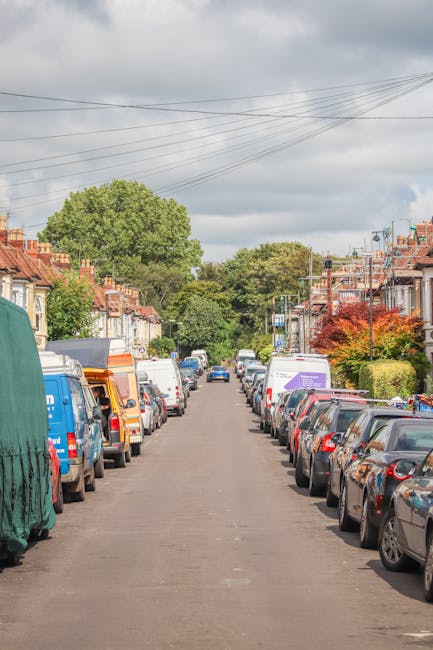
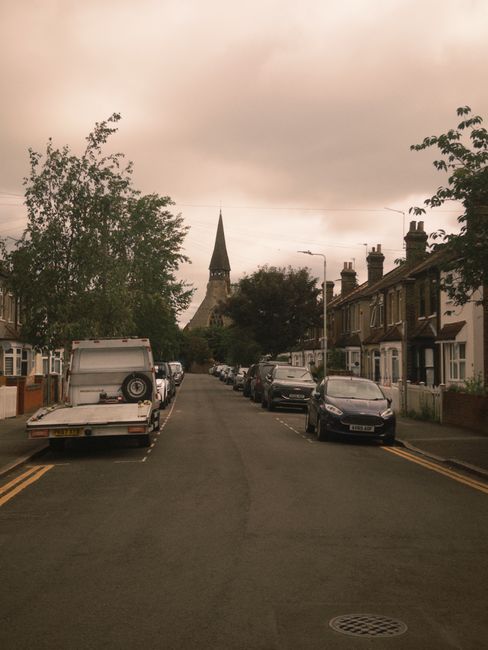
NW2 narrow street removals guide for Dollis Hill roads
Moving in Dollis Hill sounds straightforward until you meet the roads themselves. Narrow turns, parked cars, awkward kerbs, permit pressure, and the usual London time squeeze can turn a simple home move into a bit of a juggling act. This NW2 narrow street removals guide for Dollis Hill roads is written to help you plan sensibly, avoid the usual headaches, and understand what actually makes a narrow-street move run well. If you are relocating from a top-floor flat, a terraced house, or a property tucked down one of those tighter NW2 streets, the difference between a smooth day and a stressful one often comes down to preparation.
Truth be told, narrow streets are not a problem if you respect them. They just ask for a smarter approach: the right vehicle, realistic timing, careful parking plans, and movers who know how to work safely in tight spaces. Below, you will find practical guidance, local considerations, and the sort of detail that helps you make better decisions before the van even arrives.
Table of Contents
- Why NW2 narrow street removals guide for Dollis Hill roads Matters
- How NW2 narrow street removals guide for Dollis Hill roads Works
- Key Benefits and Practical Advantages
- Who This Is For and When It Makes Sense
- Step-by-Step Guidance
- Expert Tips for Better Results
- Common Mistakes to Avoid
- Tools, Resources and Recommendations
- Law, Compliance, Standards, or Best Practice
- Options, Methods, or Comparison Table
- Case Study or Real-World Example
- Practical Checklist
- Conclusion
- Frequently Asked Questions
Why NW2 narrow street removals guide for Dollis Hill roads Matters
Dollis Hill has a mix of residential streets, estate roads, and routes that were never designed with large modern vans in mind. That matters because a move is not just about getting items from A to B. It is about whether the vehicle can stop safely, whether the crew can carry furniture without blocking the road, and whether the timing works around neighbours, traffic, and any local parking restrictions.
If you have ever watched a delivery driver inch forward with mirrors folded in and a hopeful look on their face, you will know the feeling. Narrow roads demand patience. They also reward planning. A well-organised removals plan can reduce delays, lower handling risk, and avoid the kind of awkward situation where a van ends up too far from the front door, making every sofa leg feel twice as heavy.
There is also a quieter reason this topic matters: stress. Narrow street moves can feel a little claustrophobic. People worry about damage to walls, scratched furniture, blocked access, or angry neighbours. That is normal. A good process keeps things calm. Not perfect, because moving day is rarely perfect, but calm enough to keep control.
For readers comparing service options, it can help to understand the difference between a broader moving service and a tighter access specialist. Pages such as man and van, removal services, and home moves show the kind of support people often use for local relocations. The right fit depends on property size, distance from the vehicle to the door, and how much handling your belongings need.
How NW2 narrow street removals guide for Dollis Hill roads Works
The basic idea is simple: reduce friction before moving day. On narrow Dollis Hill roads, that usually means choosing a vehicle that can physically access the street, planning loading points carefully, and making sure your packing and timing match the constraints of the road rather than fighting them.
In practical terms, a narrow-street move often follows a few stages. First, the access is checked. Then the vehicle size is matched to the location. After that, parking, entry routes, lifting needs, and any awkward items are planned. If the property has tight stairwells, sharp corners, or limited hallway space, the team should know in advance so they can bring the right tools and the right number of hands.
The move itself is usually best handled in short, efficient loading bursts. That may mean smaller loads, more trips, or a van parked further away than ideal but still within a workable distance. A larger truck is not always better. In fact, on some NW2 streets, a slimmer vehicle can save more time than a bigger one because it is easier to position and safer around parked cars.
One thing people sometimes forget is the effect of street geometry. A road may look wide enough in daylight, but once cars are parked on both sides, the usable space can shrink fast. Evening moves can also be trickier because visibility drops. So, timing matters more than many people expect. A move at 8 a.m. can feel completely different from one at 4 p.m. on the same street.
Key Benefits and Practical Advantages
When narrow-street removals are planned properly, the advantages are more than just convenience. They affect safety, cost, timing, and how tired everyone feels by the end of the day. And let us face it, nobody wants to start unpacking while already knackered.
- Less vehicle stress: A suitable van is easier to park, manoeuvre, and unload without repeated repositioning.
- Lower risk of damage: Shorter carry distances and cleaner access routes reduce bumps, scrapes, and dropped items.
- Better time control: Clear loading plans cut down on idle time while crews figure out where to stop.
- Reduced neighbour friction: A tidy, well-managed operation is less likely to block driveways or invite complaints.
- More predictable costs: Fewer delays and fewer surprises usually mean fewer extra charges or wasted hours.
- Less emotional strain: A move that feels organised is, quite simply, easier to live through.
There is also a quality-of-service angle here. Narrow road work tends to reward experienced movers because they learn to read a street quickly. They notice where the corners pinch, where the pavement slopes, and where a van can wait without causing trouble. You do not always see that skill on a quote page, but you feel it on the day.
If your move includes bulky items, the right approach can matter even more. A service like furniture pick-up may be useful where you are shifting one or two awkward pieces rather than a full house. For larger household loads, a more structured option such as house removals may be the better fit.
Who This Is For and When It Makes Sense
This guide is most useful if you are moving in NW2 and the road outside your property is tight enough to make parking a genuine question mark. That can include terraced houses, converted flats, maisonettes, top-floor walk-ups, and homes near busy local routes where residents leave cars parked close together.
It also makes sense for people moving:
- from streets with limited waiting space
- where the front door is some distance from a safe stopping point
- with large furniture that needs careful handling
- during busy parts of the day when road space is under pressure
- after work, at weekends, or at times when timing has to be efficient
There is a separate group too: small business owners. A shop, studio, or office on a narrow road needs the same logic, only with more pressure to keep disruptions short. If that sounds familiar, it may be worth looking at commercial moves or office removals, especially if you are moving desks, archive boxes, stock, or equipment.
Sometimes the need is not a full relocation. Maybe you have bought a sofa, picked up a wardrobe, or need a single item moved from storage. In those cases, a simpler local vehicle service can be enough. The point is not to overbuy the solution. The point is to match the solution to the street.
Step-by-Step Guidance
Here is the practical sequence that usually works best for narrow Dollis Hill roads. Keep it simple. The simpler the plan, the easier it is to adapt when the day gets busy.
- Check access early. Look at your road at the same time of day your move will happen. Notice parked cars, delivery patterns, school traffic, and any pinch points.
- Measure large items and routes. Measure beds, wardrobes, sofas, and anything with awkward angles. Then check doors, stairs, hallways, and landings. It sounds basic, but it saves trouble.
- Choose the right vehicle size. A smaller van may be better than a larger truck if the street is tight. Bigger is not automatically smarter.
- Plan parking and loading. Identify where the van can stop legally and safely. If you need a fallback position, have one ready.
- Pack for efficient carrying. Use strong boxes, clear labels, and consistent packing weight. A few overfilled boxes can slow the whole job down.
- Protect fragile or valuable items. Wrap, pad, and secure items that are likely to shift. Corners and stair rails do not forgive careless handling.
- Set a loading order. Load the most awkward items first if space is limited. Do not leave the heavy sofa for the last ten minutes.
- Keep communication open. The mover, the driver, and the person at the property should know what is happening next. Simple updates save time.
- Leave a little buffer. Narrow streets rarely go exactly to plan. A bit of slack in timing is helpful. More helpful than most people expect.
If you want your move to feel less chaotic, consider support that includes packing help. A service such as packing and unpacking services can make a noticeable difference, especially when you are short on time or moving with children around. And yes, the boxes still multiply somehow. Nobody knows why.
Expert Tips for Better Results
Small decisions make a big difference in narrow street moves. Here are the practical bits that often separate a tolerable move from a smooth one.
1. Move lighter than you think you need to
It is tempting to overpack a van or try to make one trip do everything. On a narrow road, that can backfire. A slimmer load may be quicker to manage than a full van that needs constant repositioning.
2. Protect the route, not just the item
Most people think first about wrapping furniture. Fair enough. But in narrow access moves, protecting the walls, bannisters, and door frames matters just as much. One scratch in a tight hallway can become the thing everyone remembers.
3. Watch the parking angle
A van that is technically parked can still be badly positioned for carrying. A few extra feet of adjustment can save a lot of shoulder strain and reduce the number of awkward turns through the doorway.
4. Keep essential items separate
Medication, chargers, keys, paperwork, and a kettle if you are sensible should travel separately. It sounds obvious, until you are hunting through ten boxes for the one item you need at 9 p.m.
5. Build a "last in, first out" plan
For narrow streets, the order of loading matters. The last items loaded should often be the first items needed in the new property. That keeps unloading quicker and less chaotic.
There is also a human tip that gets overlooked: let people know the plan. Neighbours are usually more tolerant when they know a move is happening and vehicles may be present for a short period. A quick word can make the day feel less tense, and sometimes that is all it takes.
Common Mistakes to Avoid
Most moving mistakes are not dramatic. They are small errors that add up. On narrow roads, those small errors bite harder.
- Booking the wrong vehicle size: Too large and you may not get in cleanly; too small and you may need extra runs.
- Ignoring parking reality: A map does not show you the full story. Real streets have bins, vans, school runs, and people rushing about.
- Leaving packing too late: Rushed packing leads to weak boxes and awkward load distribution.
- Assuming access will be easy on the day: It may not be. A driveway may be blocked, or a delivery may arrive at the wrong moment. It happens.
- Not measuring awkward furniture: If a wardrobe barely fits around a landing corner, you want to know that before moving day.
- Forgetting weather and timing: Wet pavements, poor light, and busy roads change the feel of the job fast.
A common one in NW2 is underestimating how much time is lost by repeated short stops. If the van cannot park close enough, even a "small" move can take longer than expected. Better to plan for a slightly longer route than to pretend the route will behave itself.
Tools, Resources and Recommendations
You do not need a mountain of equipment for a narrow street removal, but a few basics genuinely help. Think practical, not fancy.
- Strong boxes: Use uniform sizes where possible. They stack better and are easier to carry through tight spaces.
- Furniture blankets and straps: Useful for protecting items during short, stop-start journeys.
- Protective covers: Handy for mattresses, sofas, and anything that picks up dirt quickly.
- Trolley or sack truck: A simple carrying aid can make a huge difference on level surfaces.
- Labels and marker pens: Clear labels save time when boxes need to be unloaded in a specific order.
- Measuring tape: Still one of the best tools in the room, even if it looks boring.
For people comparing moving support, the following pages may also be useful depending on the job size and access challenge: man with van, moving van, and removal company. If you need a broader overview of services, the removals page is a sensible place to start.
It can also be worth checking whether your mover has clear policies for safety, insurance, and payment. These things are not glamorous, but they matter when something needs to be handled carefully or there is a delay to sort out.
Law, Compliance, Standards, or Best Practice
For a narrow street move in Dollis Hill, compliance is mostly about behaving responsibly and working within local parking, access, and safety expectations. You do not need to turn the day into a legal seminar, but you do need to respect the basics.
That usually means:
- parking only where it is lawful and safe to do so
- not blocking driveways, dropped kerbs, or emergency access
- being mindful of pedestrians, children, and neighbours
- using safe lifting practices and appropriate equipment
- checking whether a permit, suspension, or other local arrangement is needed for parking or loading
Professional movers should also have sensible insurance arrangements and a visible approach to health and safety. If you are comparing providers, pages like insurance and safety and health and safety policy can help you understand how a company thinks about risk, not just price.
There is no single universal method for every street, and that is fine. Best practice is to assess the road, plan around its constraints, and keep the operation tidy. In a place like NW2, that approach is not overcautious. It is sensible.
Options, Methods, or Comparison Table
Choosing the right removals method depends on access, volume, and how much help you want on the day. Here is a simple comparison to make the decision easier.
| Option | Best for | Advantages | Possible drawbacks |
|---|---|---|---|
| Man and van | Small to medium moves, quick loads, awkward access | Flexible, often easier in narrow streets, usually efficient for local moves | Limited capacity if you have a full household |
| Small removal van | Flats, partial moves, furniture-only jobs | Easier to park, can suit tight Dollis Hill roads well | May need more trips |
| Full removal truck | Larger homes with a clear loading area | Good capacity, fewer loading runs | Can be harder to position on narrow roads |
| Full-service removals | Busy households, long lists, fragile or bulky items | More support, less hands-on effort for you | Typically more coordination needed |
If access is tight but the move is not huge, the slimmer options tend to work best. If you have a lot of furniture and the road allows room for a larger vehicle, then the bigger service becomes more practical. The key is to let the street, not wishful thinking, make the decision.
Case Study or Real-World Example
Here is a typical scenario. A couple moves from a first-floor flat on a Dollis Hill side street with parking on both sides and a narrow turning point at the end. They have a sofa, a bed frame, two wardrobes, boxes of kitchenware, and a few heavy bits of storage they swore were "not that much". Classic.
Instead of booking the biggest available truck, they choose a smaller vehicle and a later morning slot after checking street parking patterns. The movers arrive with blankets, straps, and a trolley. The couple has already labelled boxes by room, disassembled the bed, and cleared the hallway. Because the van can park close enough, the team spends less time carrying and more time loading efficiently.
What made the move work was not magic. It was sequence. Access was checked early. The vehicle matched the road. Fragile items were packed properly. There was a short buffer for delays. The result was a controlled move rather than a frantic one, and the couple got into the new place with far less noise, bother, and back-and-forth.
A small detail, but a useful one: they also kept a bag with tea, snacks, keys, charger, and toilet roll in the car. That bag probably saved the morning. Honestly, sometimes it is the tiny things.
Practical Checklist
Use this checklist a day or two before the move. It is not fancy, but it works.
- Measure large furniture and compare it with doorways, stairs, and hallways
- Check the road at the expected moving time for parking pressure
- Confirm the best loading point and a backup option
- Decide whether a small van, man and van, or larger removal vehicle is more suitable
- Pack fragile items with extra padding
- Label boxes clearly by room and priority
- Keep essentials separate and easy to reach
- Protect floors, corners, and bannisters if needed
- Tell neighbours or building contacts if access may be briefly affected
- Review insurance and safety information before the move
- Have a little flexibility in the schedule, because narrow roads do not always play nicely
Key takeaway: narrow-street removals in Dollis Hill go best when you plan for the road you actually have, not the one you wish you had. That mindset alone solves a surprising amount of stress.
If you are comparing moving support right now, a sensible next step is to look at services that match your access constraints, then check pricing and availability before the week gets away from you. You can also review pricing and quotes to get a clearer sense of what is included.
Get a free quote today and see how much you can save.
Conclusion
A move on a narrow Dollis Hill road does not have to be stressful. The street simply asks for better planning, better timing, and the right kind of vehicle and support. Once you work with the access rather than against it, the whole process becomes more manageable. Cleaner. Faster. Less draining, too.
If you remember only one thing from this guide, make it this: small access details shape big moving-day outcomes. Measure carefully, choose sensibly, and keep the plan flexible. That is usually enough to turn a tricky NW2 removal into a calm one.
And when the last box is in and the kettle is finally on, you will feel the difference. Small relief, big sigh. That is a good move.
Frequently Asked Questions
What makes Dollis Hill roads tricky for removals?
Many streets in NW2 are narrow, parked-up, or awkward to turn in, which can make van access and loading slower than expected. That does not mean the move is difficult, only that it needs a better plan.
Is a man and van enough for a narrow street move?
Often, yes. For flats, partial moves, single items, or smaller households, a man and van service can be a very practical choice because the vehicle is usually easier to position on tight roads.
Should I book a larger van to save time?
Not always. A larger vehicle may hold more, but if it is hard to park or manoeuvre, you can lose time. In narrow Dollis Hill streets, the best vehicle is the one that can access the property efficiently.
How far in advance should I plan a narrow street removal?
As early as you reasonably can, especially if you need parking arrangements or have a fixed move-in window. Even a few days of planning can make a real difference to the day.
What should I measure before moving day?
Measure large furniture, stair widths, doorways, hallway corners, and anything else that could create a tight turn. Those measurements help you avoid last-minute surprises.
Do I need help packing for a narrow street move?
If you have a lot to move or delicate items, packing support can be worth it. Good packing reduces the chance of damage and makes loading faster, which matters more when access is limited.
Can narrow street removals cost more?
They can, depending on access, time needed, vehicle size, and labour requirements. The main cost driver is usually the extra time and handling involved, rather than the street itself.
How can I reduce the risk of damage in a tight hallway?
Protect furniture properly, clear the route, use good lifting technique, and make sure the route is measured before the move. A little preparation prevents a lot of bumps and awkward angles.
What if parking is limited outside my home?
Look at the street at the same time of day as the move and have a backup parking plan. If restrictions apply, it may be worth discussing the access needs in advance with the mover.
Are office moves handled differently on narrow roads?
Yes, usually. Office moves often need tighter timing, more careful handling of equipment, and faster loading to keep disruption down. Services designed for business relocations are often the better fit.
What should I check before hiring a removals provider?
Check their experience with tight access, their insurance and safety approach, what vehicle sizes they use, and how clearly they explain pricing. Clear communication is a good sign.
What is the best last-minute tip for moving day?
Keep your essentials bag handy and stay flexible. If the van has to stop a little further away than planned, or loading takes longer, a calm approach makes the day much easier to manage.