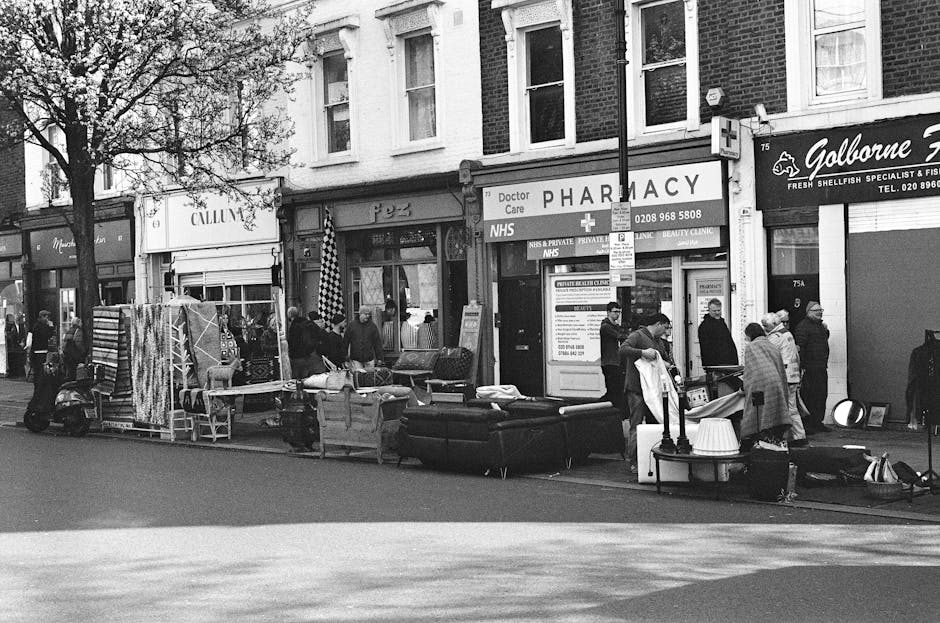
Bulky-item pick up by Dollis Hill Tube: costs & options
If you live near Dollis Hill Tube and have a sofa, mattress, wardrobe, fridge, or another awkward item taking up precious space, you are probably asking the same thing most people ask: what is the easiest and most affordable way to get it picked up? Bulky-item pick up by Dollis Hill Tube: costs & options can vary quite a bit depending on access, weight, urgency, and whether the item can be reused, recycled, or needs specialist handling. The good news? You usually have more than one route, and a little planning can save both money and stress.
This guide breaks down the real-world options, typical cost drivers, and the practical steps that make the whole job smoother. You will also find useful comparisons, a simple checklist, and local-minded advice for homes around Dollis Hill, Willesden, and the wider NW2 area. No fluff, just the stuff that helps.
Why Bulky-item pick up by Dollis Hill Tube: costs & options Matters
Bulky items are not just "big rubbish". They are the awkward, heavy, space-hogging things that disrupt daily life. A broken wardrobe in a hallway, a sofa that no longer fits through the door, or a mattress you have been meaning to replace for months can quickly turn into a nuisance. Near Dollis Hill Tube, where homes and flats often have stairs, narrow entrances, shared access, and limited parking, the job can get messy fast.
That is why understanding bulky-item collection matters before you book anything. The cheapest option is not always the best if it means long delays, poor access handling, or an item left on the kerb with no proper recycling route. And let's face it, nobody wants to stand outside in the drizzle wondering whether the collection team is actually coming.
For many households, the decision is really about balancing three things: price, speed, and effort. If you are moving, downsizing, clearing a rental, or simply replacing old furniture, the right pick-up option can save time and prevent damage to walls, floors, and backs.
It also connects to wider moving and decluttering plans. A lot of people pair bulky-item removal with decluttering before changing homes, a visit from a man with a van in Dollis Hill, or a larger booking through removals in Dollis Hill. That can be a sensible move when several items need shifting at once.
How Bulky-item pick up by Dollis Hill Tube: costs & options Works
At a practical level, bulky-item pick up usually follows one of a few routes. Some are council-style collections, some are private removal or clearance services, and some are reuse or recycling-led options. The best choice depends on the item type, how quickly you need it gone, and how easy it is to move from your property.
Here is the simple version. You tell the provider what the item is, where it is located, and whether there are access issues. They then confirm whether they can take it, give you a price or estimate, and arrange a collection slot. In the case of private services, the quote may factor in labour, vehicle size, stairs, parking, and disposal or recycling fees. With one item, the process can be quick. With several large pieces, it becomes more like a small removal job.
In Dollis Hill, access can be the thing that changes the cost most noticeably. A ground-floor flat with easy parking is one thing. A top-floor flat with a tight stairwell and no lift is another. If you have ever tried turning a king-size mattress on a narrow landing at 8:00 in the morning, you already know why. It is not glamorous work.
Many people also combine bulky-item collection with other services such as furniture removals in Dollis Hill or same-day removals when speed matters. That is often more efficient than paying for multiple separate trips.
Key Benefits and Practical Advantages
The biggest benefit is obvious: you get your space back. But the practical advantages go further than that.
- Less strain and risk: bulky items are awkward, and moving them poorly can damage property or cause injury.
- Better use of time: a coordinated pickup is faster than trying to solve it piecemeal.
- Cleaner handovers: ideal if you are leaving a rental or preparing a property for sale.
- Responsible disposal: a proper provider can separate reusable, recyclable, and waste items.
- Flexible timing: private services can often work around your schedule, which is handy if you work shifts or have building access windows.
There is also a psychological benefit, which sounds a bit lofty but is true. Once the bulky item is gone, the room feels different. Wider. Quieter. Less like a storage problem and more like a place you can actually use again. One sofa gone, and suddenly the whole flat seems to breathe a little easier.
If you are storing anything before disposal or rehoming, it helps to read guides on keeping a sofa in good condition while stored or storage in Dollis Hill so the item remains usable if your plans change.
Who This Is For and When It Makes Sense
Bulky-item pick up is not just for people doing a full house move. It is useful in plenty of everyday scenarios.
- Renters needing to clear out old furniture before checkout.
- Homeowners replacing damaged or outdated items.
- Students moving out of shared accommodation with limited transport options.
- Landlords and agents dealing with abandoned furniture or end-of-tenancy clearances.
- Families making space after an upgrade, a bereavement, or a downsizing decision.
- Small businesses getting rid of office furniture, file cabinets, or reception items.
It makes sense whenever the item is too large for standard household waste, too heavy for a car, or too awkward for one person to shift safely. A piano is a different category entirely, of course, and should be handled by specialists such as piano removals in Dollis Hill. Beds and mattresses are also their own little universe, so for those, bed and mattress moving guidance is worth a look.
Truth be told, if you are staring at an item and thinking, "I can probably drag that downstairs myself," it is often the moment to pause. Can you actually do it safely? Can you get it out without scraping paintwork or trapping a hand on the landing? Worth asking before the back aches start.
Step-by-Step Guidance
Here is a simple process that works well for most bulky-item collections around Dollis Hill Tube.
- Identify the item clearly. Note what it is, approximate size, and whether it breaks down into smaller parts.
- Check access. Measure doorways, stairs, lifts, and any tight turns. Parking near the property matters too.
- Decide on the destination. Will the item be reused, donated, recycled, or disposed of?
- Choose the service type. Compare council-style pickup, private collection, man and van support, or a full clearance service.
- Request a quote or booking slot. Be honest about weight, condition, and access. Surprises cost money later.
- Prepare the item. Remove contents, detach loose parts, and protect floors and walls where the item will pass through.
- Confirm collection details. Ask who will carry, load, and dispose of the item, and whether there are any extra charges.
- Keep proof and records. Useful if you are a tenant, landlord, or managing a property handover.
A small but useful tip: take a quick photo before collection. It can help if there is any confusion over item condition, access, or what was actually agreed. Nothing dramatic, just practical.
Expert Tips for Better Results
If you want the job to go smoothly, a bit of preparation goes a long way. Professionals rarely just "turn up and hope". They plan around risk, access, and the shape of the item.
- Measure twice, quote once. Dimensions matter more than people think, especially in older buildings and compact flats.
- Clear the path early. Move shoes, plants, bins, and side tables out of the route before collection time.
- Disassemble where possible. Flat-pack pieces, bed frames, and some wardrobes are much easier in smaller sections.
- Use proper lifting technique. The body mechanics matter. A quick read on kinetic lifting basics and safe ways to lift heavy loads alone can prevent a silly little strain that ruins your week.
- Plan parking honestly. If the vehicle cannot stop close enough, expect more labour and possibly a higher fee.
- Think about reuse first. If the item is still in decent condition, a provider with recycling and sustainability practices may help it avoid landfill.
And if your bulky item is only part of a bigger move, it can be worth using a broader services overview to see what else can be bundled together. That is often where the savings hide, quietly, in the background.
Common Mistakes to Avoid
Most problems with bulky-item collection are avoidable. The tricky part is that they usually feel small at the start and expensive later.
- Guessing the size or weight. A "medium" sofa that turns out to be a corner unit changes the whole job.
- Leaving contents inside. Drawers, cushions, glass shelves, and batteries can complicate handling and disposal.
- Ignoring access issues. A service quote can change if the team arrives and finds blocked stairs, no lift, or impossible parking.
- Choosing solely by lowest price. The cheapest quote is not always the best value if it excludes labour or waste handling.
- Forgetting building rules. Some blocks have time windows, concierge procedures, or loading restrictions.
- Leaving it too late. If you are moving out, waiting until the last day is how small jobs become stressful ones.
One common slip-up is assuming every item can be treated the same way. A mattress, a fridge, and a desk each bring different handling needs. For example, turned-off appliances need specific preparation before collection, and the wrong approach can make life harder for everyone. A short guide on what to do with a freezer that is turned off can be surprisingly useful in that situation.
Tools, Resources and Recommendations
You do not need a warehouse full of kit, but a few simple tools make bulky-item pick up much easier.
- Measuring tape: for doorways, hallways, and item dimensions.
- Work gloves: helpful for grip and rough edges.
- Furniture blankets or moving pads: reduce scuffs and make awkward corners less risky.
- Ratchet straps or strong tape: useful for securing loose parts.
- Trolley or sack truck: can help with some items, though not all stair cases allow them.
- Marker pen and labels: handy if an item is being dismantled or separated for recycling.
For anyone planning a bigger clear-out, the right support pages are worth checking in advance. Packing and boxes in Dollis Hill helps if you are bundling smaller items too, while stress-free packing advice can keep the whole process calmer. Calm is good. Very good, actually.
If the item needs temporary holding, storage may be the smarter bridge solution. That is especially true if you are not yet sure whether it will fit in your next place. A sofa in storage for a month is often better than making a rushed disposal decision you later regret.
Law, Compliance, Standards, or Best Practice
When bulky items are collected, the main compliance concern is usually not a complicated legal test; it is making sure the item is handled and disposed of responsibly. In the UK, householders still need to be careful about who takes waste away and where it ends up. If you hand items to an unlicensed or careless operator, the mess can come back to you in an ugly way.
Best practice is straightforward: use a reputable service, keep a record of the booking, and ask what happens to the item after collection. For appliances, sofas, mattresses, and furniture, responsible sorting, reuse, and recycling should be part of the process wherever possible. If a provider discusses their recycling and sustainability approach clearly, that is usually a positive sign.
Safety matters too. Proper handling should reduce the risk of injury, damage, and access problems. A service with clear health and safety guidance and sensible insurance and safety information tends to show the kind of care you want. Not flashy. Just reassuring.
Options, Methods, or Comparison Table
Different pick-up options suit different jobs. Here is a practical comparison that keeps it simple.
| Option | Best for | Typical strengths | Possible drawbacks |
|---|---|---|---|
| Council-style bulky collection | Single or limited items, flexible timing | Convenient for basic disposal, often straightforward | May have waiting times, item limits, or narrower collection rules |
| Man and van collection | One-off furniture pick-up, mixed items, short-notice needs | Flexible, often quicker, good for awkward access | Price can rise with stairs, weight, or extra loading time |
| Full removal or clearance service | Multiple bulky items, house clear-outs, end-of-tenancy jobs | Best for larger volumes, more hands, smoother logistics | Usually costs more than a simple collection |
| Rehome or donate route | Good-condition items | Potentially lower cost and lower waste impact | Requires time, condition checks, and the right recipient |
For many people, the best answer is a mix. One item gets collected, another is stored, and a third is moved as part of a larger booking. That is normal, not messy. Real life rarely comes in a tidy single-option box.
Case Study or Real-World Example
A fairly typical Dollis Hill scenario goes like this. A couple in a first-floor flat near the Tube had an old three-seater sofa, a mattress, and a damaged TV unit they needed gone before a tenancy inspection. The hallway was narrow, the parking outside was limited, and the sofa would not turn cleanly at the top of the stairs without careful lifting.
They first considered a cheap one-item collection, then realised the job was really three separate bulky items, plus a bit of lifting support. Instead of booking each piece alone, they bundled the collection into one visit. The result was less disruption, fewer call-outs, and no last-minute panic the night before checkout. Not magic. Just better planning.
They also checked whether the mattress and sofa could be reused or recycled, and prepared the route through the flat before the team arrived. That little bit of preparation made the difference. It meant fewer awkward pauses on the stairs and less chance of wall marks. Simple stuff, but it matters.
If you are preparing a property handover, this sort of planning pairs well with end-of-tenancy cleaning and handover prep. Clearing bulky items first makes the cleaning easier, and the room feels finished rather than half-done.
Practical Checklist
Use this quick checklist before booking your bulky-item pickup.
- Measure the item and note the approximate weight or type.
- Check stairs, lifts, door widths, and any tight corners.
- Confirm whether the item can be dismantled.
- Empty drawers, shelves, and hidden compartments.
- Take photos for your own record.
- Decide whether the item should be reused, recycled, or disposed of.
- Ask about any extra charges for labour, access, or parking.
- Arrange parking or loading access if possible.
- Protect floors and walls along the route.
- Keep booking details and any confirmation messages.
Expert summary: the cheapest bulky-item collection is not always the best value. The best option is usually the one that fits your access, timing, and item type without creating more work later.
Get a free quote today and see how much you can save.
Conclusion
Bulky-item pick up by Dollis Hill Tube: costs & options is really about matching the job to the right level of service. A single sofa on a clear ground floor has one answer. A fridge, mattress, and wardrobe in a tight flat with awkward stairs has another. Once you factor in access, urgency, and disposal route, the better decision usually becomes obvious.
If you take one thing from this guide, let it be this: prepare properly, compare honestly, and do not underestimate the value of a service that handles the lifting, loading, and logistics in one go. It saves time, protects your property, and makes life feel a lot less chaotic. Which, to be fair, is often the whole point.
And if you are still deciding between disposal, storage, or a full move, a quick conversation with a local team can stop you overthinking it. Sometimes the simplest route really is the best one.
Frequently Asked Questions
How much does bulky-item pick up usually cost near Dollis Hill Tube?
Costs vary depending on the item type, access, weight, and whether you need same-day or scheduled collection. A single easy-to-move item will usually cost less than multiple heavy pieces with stairs and limited parking.
What items count as bulky waste or bulky items?
Typically, this means large household or office items such as sofas, beds, wardrobes, mattresses, desks, fridges, freezers, and other furniture that will not fit in standard waste collection.
Is it cheaper to book one item at a time or several together?
Usually, several items booked together can work out better value than separate trips, because you may only pay for one visit, one load, and one set of access arrangements.
Can a man and van service handle bulky-item collection?
Yes, in many cases it can. A man and van service in Dollis Hill is often a practical choice for furniture, white goods, and other awkward items that need carrying from inside the property.
What if my bulky item is on a top floor with no lift?
That is still manageable, but the quote may be higher because of extra labour and time. It helps to mention the stairs, landings, and any awkward turns when you ask for pricing.
Do I need to dismantle furniture before collection?
Not always, but dismantling can reduce cost and make the job safer. Flat-pack furniture, bed frames, and some wardrobes are much easier to remove in smaller pieces.
Can bulky items be recycled or reused?
Often yes, depending on their condition and the service you use. Good providers will try to separate reusable items from those that need recycling or disposal.
What is the quickest way to arrange a collection?
If speed matters, a same-day or short-notice private collection may be the most practical route. You can also look at same-day removals in Dollis Hill when timing is tight.
How should I prepare a mattress or sofa for pickup?
Clear the route, remove bedding or loose cushions, and keep access open. If you are storing the item first, it can help to follow guidance on sofa storage care or bed and mattress moving.
Is there any difference between bulky-item pickup and full removals?
Yes. Bulky-item pickup is usually for one or a few large items, while full removals cover a wider move with more furniture, boxes, and packing support. If you are relocating, house removals in Dollis Hill may be the better fit.
What should I ask before booking a quote?
Ask what is included, whether stairs or parking change the price, whether recycling is part of the service, and how soon the collection can happen. A clear quote is always easier to trust than a vague one.
Are there any safety concerns with moving bulky items myself?
Yes. Heavy lifting can cause strains, slips, and damage to property if it is not handled well. If you are unsure, it is usually wiser to use a trained team and avoid the heroic-but-painful approach. Your back will thank you later.
Where can I find more help with related moving tasks?
If your bulky-item pickup is part of a larger move, useful next steps include moving organisation advice, packing tips, and decluttering guidance. Those little jobs add up quickly, so it helps to stay ahead of them.